
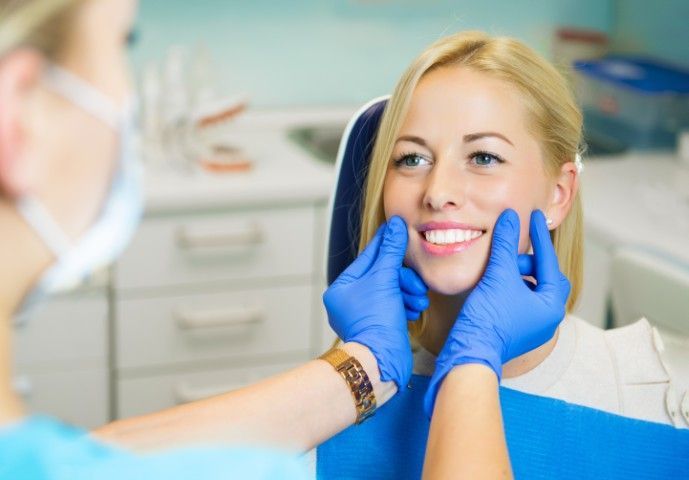
At TetraHealth Dentistry, we approach gum disease not as a localized dental issue, but as a chronic inflammatory condition with wide-reaching consequences for the entire body. The gums are living, vascular tissues that serve as a critical interface between the oral microbiome and the immune system. They are richly supplied with blood vessels, immune cells, and connective tissue fibers that respond dynamically to health and disease. When these tissues become inflamed or infected, that inflammation does not remain isolated to the mouth. It enters the bloodstream, influences immune signaling, and contributes to systemic inflammatory burden. For this reason, gum health is not simply about protecting teeth. It is about preserving the integrity of the body’s inflammatory balance and supporting whole-body health. Periodontal disease is one of the most common chronic inflammatory diseases worldwide, yet it is often underestimated in both severity and impact. Early symptoms such as bleeding gums or mild tenderness are frequently dismissed, allowing inflammation to persist quietly over years or even decades. During that time, the immune system remains in a constant state of activation, responding to bacterial toxins and inflammatory mediators released from infected gum tissue. This chronic immune stimulation has consequences far beyond the oral cavity. Conventional periodontal treatment has historically focused on managing visible symptoms rather than restoring biology. Bleeding, pocket depth, and infection are treated mechanically, often through aggressive surgical intervention. While these approaches can reduce disease markers in the short term, they frequently do so at the expense of healthy tissue, long-term stability, and natural aesthetics. Gum tissue is removed rather than regenerated. Bone is reshaped rather than preserved. The mouth may appear healthier clinically, but the underlying drivers of disease are rarely addressed in a meaningful way. This traditional approach is rooted in a mechanical view of the mouth rather than a biologic one. It assumes that disease control requires removal, rather than restoration. At TetraHealth Dentistry, we challenge that assumption. We believe the gums are not static tissue destined to deteriorate with age, but dynamic, regenerative structures capable of healing when the environment is corrected and inflammation is resolved. Biologic gum regeneration represents a fundamental shift in how periodontal disease is understood and treated. Rather than viewing gum disease as an irreversible breakdown requiring surgical reduction, we recognize it as a chronic inflammatory process that can be stabilized, reversed, and regenerated when addressed at its root. The goal is not merely to stop disease progression, but to create the conditions in which the body can repair itself. Every regenerative process begins with understanding cause. Gum disease does not develop simply because a patient failed to brush effectively or missed dental visits. It arises from a complex interaction between pathogenic bacteria, immune response, genetic predisposition, lifestyle factors, and systemic inflammation. Some individuals are more susceptible to inflammatory damage, even with good oral hygiene. Others may harbor aggressive bacterial strains that accelerate tissue destruction. Without identifying and addressing these factors, treatment remains reactive and incomplete. Our approach begins with a comprehensive evaluation of the oral environment. We assess not only gum pocket depth and bone levels, but also tissue quality, inflammation patterns, and microbial burden. This allows us to understand the full biological context of disease rather than treating isolated measurements. Periodontal disease is not just about numbers on a chart. It is about how tissue responds to inflammation over time. Minimally invasive laser-based periodontal therapy plays a central role in our regenerative protocols. Unlike traditional surgery, which relies on incisions, sutures, and mechanical scraping, laser therapy allows for precision treatment at the cellular level. Laser energy can selectively target diseased tissue and pathogenic bacteria while preserving healthy structures. This distinction is critical. Healing depends on what remains, not just on what is removed. Laser-Assisted Biologic Gum Regeneration (LANAP®) One of the most advanced tools in biologic periodontal care is Laser-Assisted New Attachment Procedure (LANAP®). LANAP® is a minimally invasive, FDA-cleared laser protocol designed to treat gum disease while preserving living tissue and supporting regeneration. Unlike conventional gum surgery, LANAP® does not require cutting or removing healthy gum tissue. Instead, a specific wavelength of laser energy is used to selectively eliminate pathogenic bacteria and diseased tissue while leaving healthy structures intact. By reducing bacterial load, detoxifying infected root surfaces, and stabilizing the natural blood clot within the periodontal pocket, LANAP® creates the biologic conditions necessary for new connective tissue attachment and bone regeneration. This approach allows the body to transition from chronic inflammation into a healing and regenerative state. At TetraHealth Dentistry, LANAP® is integrated into a comprehensive biologic treatment protocol rather than used in isolation. This includes evaluation of microbial burden, immune response, tissue quality, and systemic inflammatory contributors to ensure long-term stability and healing rather than short-term symptom control. When applied correctly, laser therapy reduces bacterial load, disrupts inflammatory biofilms, and stimulates fibroblasts and regenerative cells responsible for rebuilding connective tissue. This process encourages the gums to heal from within rather than scar defensively after trauma. One of the most important advantages of biologic laser therapy is tissue preservation. Conventional surgical approaches often involve removing inflamed gum tissue to gain access to deeper pockets. While effective for access, this removal permanently alters gum architecture and can lead to recession, root exposure, and sensitivity. By working with the biology of the gums rather than against it, we help maintain natural contours, protect root surfaces, and preserve the integrity of the smile. Patients undergoing biologic periodontal therapy often experience less post-treatment discomfort, reduced swelling, and faster healing compared to traditional surgery. This is not because treatment is less effective, but because it is more precise. Inflammation is resolved rather than exacerbated, allowing the body to shift into a regenerative state more quickly. The implications of biologic gum regeneration extend far beyond oral health. Chronic periodontal inflammation has been strongly associated with cardiovascular disease, insulin resistance, autoimmune disorders, neuroinflammation, and adverse pregnancy outcomes. The gums act as a gateway through which inflammatory mediators, bacterial toxins, and immune signals can enter systemic circulation. Over time, this contributes to widespread inflammatory stress on the body. By resolving chronic oral infection, we reduce this systemic inflammatory burden. This does not mean dentistry alone can cure systemic disease, but it does mean that untreated periodontal inflammation can undermine overall health. Removing a constant source of immune activation allows the body to allocate resources toward healing rather than defense. Many patients undergoing biologic periodontal treatment report benefits that extend well beyond the mouth. Improved comfort while eating, reduced sensitivity, and greater confidence in oral health are common. Others notice broader changes such as improved energy levels, reduced brain fog, or fewer inflammatory symptoms elsewhere in the body. These outcomes reflect the interconnected nature of oral and systemic health. Education is a critical component of our regenerative philosophy. Patients are empowered to understand their condition, the biological rationale behind their treatment, and the role they play in maintaining long-term health. Healing is not something that happens to a patient. It is a collaborative process that involves daily habits, immune balance, and long-term commitment to health. Biologic gum regeneration requires patience, precision, and respect for the body’s natural timelines. True healing does not occur overnight. It occurs gradually, as inflammation resolves and tissue regenerates. This approach is not about doing more, but about doing what is biologically appropriate. At TetraHealth Dentistry, we believe that true periodontal care should restore, not reduce. When the living foundation of the mouth is healed, the entire system benefits. The gums are not merely support structures for teeth. They are active participants in immune regulation and systemic health. This is not simply gum treatment. It is regenerative medicine applied thoughtfully to oral health.
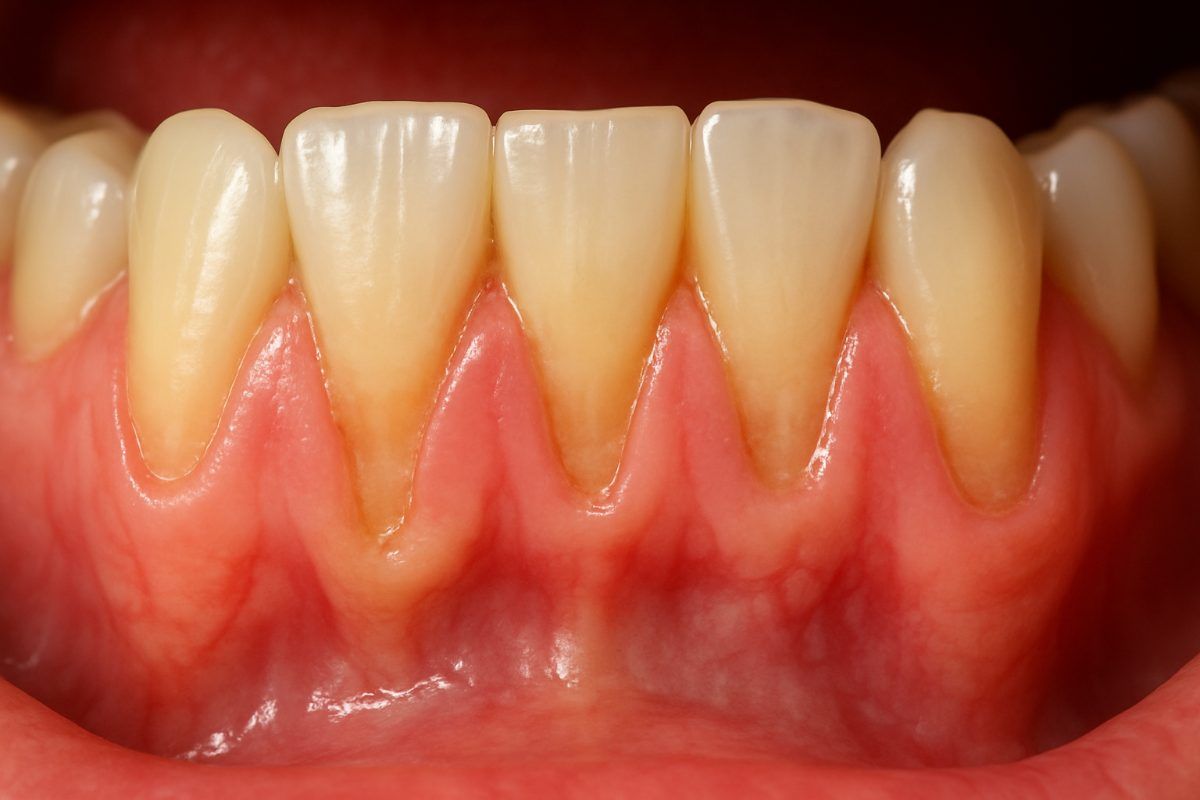
Why did your gums stop bleeding? Discover causes, warning signs, & treatments for bleeding gums. Read more for diagnosis and prevention tips.

Explore biologic dentistry for gum disease. Discover advanced diagnostics & treatment. Learn more about holistic oral care today!
