
Receding Gums - What Are They, And Can Implants Help?
Alex Volchonok • February 16, 2026

Receding Gums - What Are They, And Can Implants Help?

Close up, realistic shot of dental implant abutment being placed by a dentist. The abutment is connecting to the dental implant. No text on image.

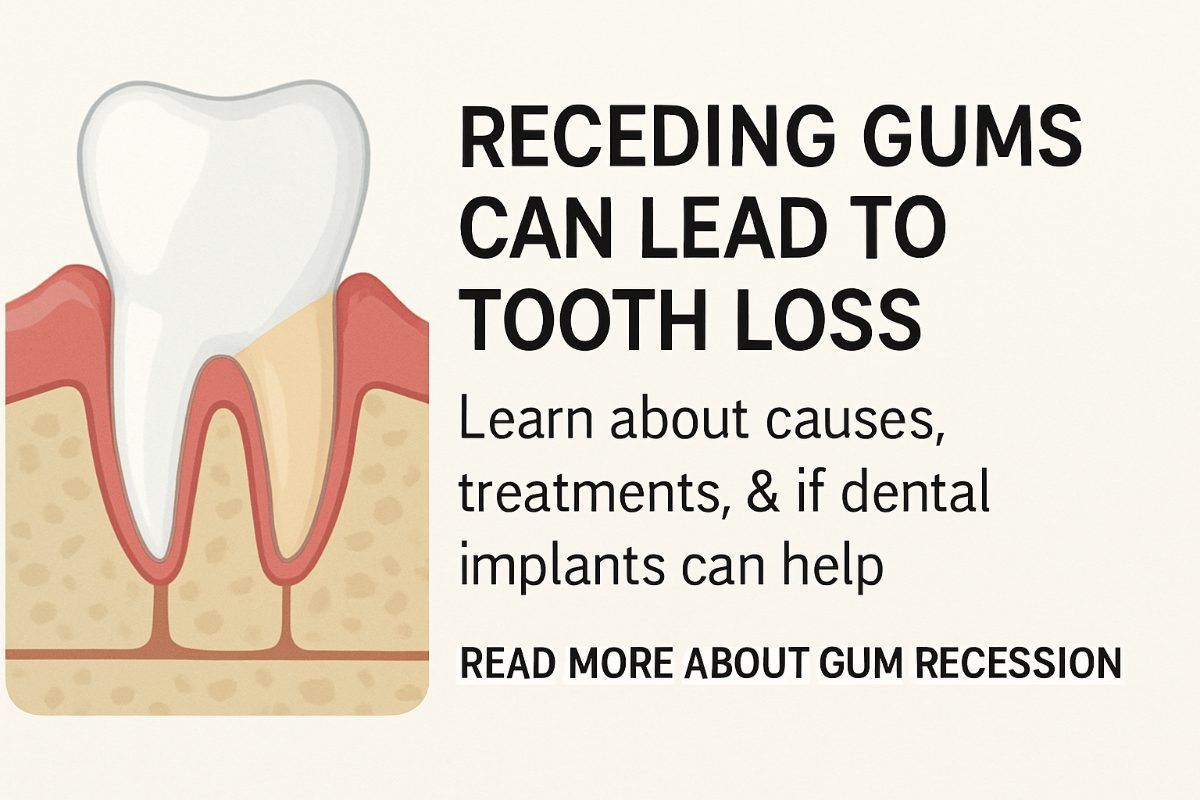
Receding gums occur when the gum tissue that surrounds teeth pulls back or wears away, exposing more of the tooth or its root. This condition matters because it can cause tooth sensitivity, make teeth look longer, create notches at the gumline, and eventually lead to tooth loss or infection if left untreated. Many patients ask: can dental implants help when gums have receded? This article explains what causes receding gums, how dentists diagnose the problem, treatment options to stop and repair recession, and when dental implants may be part of the solution.

What Are Receding Gums And What Causes Them?

Gum recession is the loss of gum tissue around a tooth so that the root becomes exposed. It is not the same as normal gum wear and can progress over time if the cause is not addressed. Receding gums can affect one tooth or many teeth and can change the way your smile looks.

Common Causes

Common Signs Patients Notice

  • Increased tooth sensitivity to hot, cold, or sweet
  • Teeth that look longer than before
  • Notches or grooves at the gumline
  • Dark triangular spaces between teeth
  • Loose teeth in advanced cases

How Dentists Diagnose The Severity Of Receding Gums

Diagnosis starts with a full clinical exam. A dentist or periodontist measures gum recession in millimeters using a periodontal probe and documents changes with photos or intraoral scans to track progression. Digital records make it easier to compare visits and spot worsening recession.

When more detail is needed, advanced imaging and tests are used:

  • Cone Beam CT (CBCT) to evaluate bone level and plan grafting or implants
  • ROSA™ screening to assess radiographic, oral, salivary, and airway health
  • OralDNA® salivary testing to identify bacterial drivers and inflammation

Non-Surgical And Minimally Invasive Treatments To Stop Progression

Early-stage recession is often managed without surgery by removing the causes and supporting healing.

Behavior And Home Care

  • Switch to a soft-bristled brush and use gentle technique
  • Avoid aggressive flossing; use interdental brushes or water flossers as advised
  • Quit tobacco and control grinding with a nightguard
  • Address dry mouth and systemic health factors with your provider

Office Treatments

  • Scaling and root planing to remove bacterial buildup
  • Antimicrobial or ozone therapy to reduce infection
  • Desensitizing agents to reduce sensitivity
  • LANAP laser therapy and PRF to promote healing and reattachment

Surgical Options To Restore Lost Gum And Bone

Surgery is considered when recession is advancing, root exposure causes defects, or aesthetics are a major concern. Surgical techniques rebuild soft tissue and, when needed, underlying bone.

Can Dental Implants Help Patients With Receding Gums?

Short answer: dental implants do not reverse recession of your natural gums. However, implants can replace teeth that have been lost because of severe periodontal disease or tooth failure related to advanced recession.

Typical pathway when implants are considered:

  • Treat infection and control inflammation first (scaling, LANAP, antibiotics as needed, OralDNA testing)
  • Regenerate bone and soft tissue when required with grafting, PRF, and guided regeneration
  • Place the implant once the site is healthy; consider zirconia dental implants for a metal-free, biocompatible option
  • Rebuild the soft tissue around the implant for a natural-looking gum line

Risks unique to implants include peri-implant mucositis and peri-implantitis — inflammatory conditions around implants that can cause bone loss. Careful planning with CBCT, ROSA diagnostics, biologic materials like PRF, and strict maintenance schedules reduces these risks. Dental implants can provide stable, long-term replacements when natural teeth cannot be saved.

Prevention, Long-Term Care, And When To See A Specialist

Preventing further recession and protecting your oral health requires consistent care and early attention to warning signs.

Practical Prevention Tips

  • Brush gently with a soft brush and use proper technique
  • Keep up with regular dental cleanings and exams
  • Use a nightguard if you clench or grind
  • Stop smoking and manage systemic health issues like diabetes
  • Address airway or sleep issues that can worsen grinding and inflammation

Red Flags To See A Periodontist Or Implantologist

  • Rapid or noticeable gum recession
  • Persistent bleeding, pain, or exposed roots
  • Loose teeth or failing prior treatments
  • Ongoing infection despite home care

Tetrahealth offers biologic, minimally invasive options to treat the root causes of gum recession and plan restorative care. Drs. Alex and Michele Volchonok are board‑certified specialists who use advanced diagnostics (CBCT, ROSA, OralDNA), LANAP, PRF, and zirconia implants to prioritize healing and long-term health. Their offices are in Manhattan, NY and Greenwich, CT.

What To Bring To Your Consult

When you schedule a consult for receding gums or to discuss dental implants, bring:

  • A list of symptoms and when you first noticed them
  • Recent dental records, X-rays, or intraoral scans if you have them
  • Your dental history, prior treatments, and any failed restorations
  • Current medications and health conditions

A specialist will review history, perform a clinical exam, take imaging or saliva testing as needed, and propose a personalized plan that may include non-surgical care, grafting, or dental implants when appropriate. Early evaluation gives you the best chance to stop progression and preserve both gum and tooth health.

Share

By seoauthor seoauthor August 28, 2026
Bleeding gums are a common yet concerning dental issue that many individuals experience at some point in their lives. Understanding how to stop bleeding gums effectively is crucial for maintaining overall oral health. Bleeding gums may seem like a minor inconvenience, but they can signal an underlying problem that requires attention to prevent more severe health issues. Understanding Bleeding Gums One of the first steps in addressing the issue is understanding its causes. Bleeding gums can be a result of several factors, including poor oral hygiene, gingivitis, and more serious conditions like periodontitis. These conditions often result from plaque buildup along the gumline, causing inflammation and irritation. Additionally, certain lifestyle factors such as smoking or a diet lacking in essential nutrients can exacerbate the problem. Importance of Oral Health The connection between oral and systemic health cannot be overstated. Healthy gums are not only vital for a confident smile but also for your overall health. Studies have shown a link between gum disease and systemic conditions such as heart disease and diabetes . Recognizing the signs of unhealthy gums, such as swelling, redness, and persistent bleeding, is essential for early intervention. Prevention Strategies Prevention is always better than cure. Establishing a consistent oral care routine is the first line of defense against bleeding gums. This includes proper brushing techniques, regular flossing, and using antiseptic mouthwash. Lifestyle changes, such as a balanced diet rich in vitamins C and D, can also support gum health. Reducing stress and quitting smoking are additional ways to prevent bleeding gums. Professional Treatments If bleeding persists, professional treatments may be necessary. Procedures such as scaling and root planing can help remove hardened plaque from below the gumline. Advanced laser therapy offers a less invasive option with quicker recovery times. Consulting with a periodontist can provide a personalized treatment plan tailored to your specific needs. Biocompatible Care and Its Benefits Biocompatible care focuses on using materials and treatments that are harmonious with your body’s natural systems. This approach contrasts with conventional dentistry by minimizing exposure to potentially harmful substances, making it an attractive option for many seeking holistic dental care solutions . When to Seek Professional Help Recognizing when to seek help is crucial. Early warning signs of gum disease include persistent bleeding and gum recession. Addressing these signs promptly can prevent more serious conditions from developing. Understanding treatment timelines can help manage expectations and outcomes. Patient FAQs Why do my gums bleed when I brush my teeth? Bleeding gums during brushing are often due to gingivitis or plaque buildup. Improving your brushing technique and consistency can help resolve this issue. Are bleeding gums a sign of a serious condition? While bleeding gums can be a result of mild inflammation, they may also indicate more serious periodontal disease, necessitating professional evaluation. How long does it take to stop bleeding gums? With consistent care, minor gum bleeding may resolve in a few days to weeks. Persistent bleeding warrants a professional assessment. Can certain foods help prevent bleeding gums? Yes, foods rich in vitamin C and D, such as citrus fruits and dairy, can strengthen gums and reduce bleeding. When should I visit a periodontist? If you experience persistent bleeding, swelling, or gum recession, scheduling a visit with a periodontist is advisable for a thorough evaluation. Scheduling an Appointment At Volchonok, Alexander, we specialize in providing comprehensive care that emphasizes wellness and uses the most advanced technology. If you are experiencing bleeding gums, our expert team is here to help. Schedule a consultation today to explore personalized treatment options that prioritize your comfort and health.
By seoauthor seoauthor August 28, 2026
Maintaining good oral health extends far beyond having a bright smile or functional teeth. When it comes to protecting your gums, recognizing the point at which you need a gum specialist, or periodontist, is crucial. At Volchonok, Alexander in Manhattan, NY, and Greenwich, CT, we emphasize the oral-systemic health connection and provide comprehensive periodontal care focused on promoting wellness. What is a Gum Specialist? A gum specialist, also known as a periodontist, is a dentist who undergoes additional training in diagnosing, preventing, and treating periodontal (gum) disease. They are also experts in the placement of dental implants and can carry out complex procedures like bone grafting. Their advanced education and specialized training make them uniquely equipped to address gum-related issues with precision and care. Why Gum Health Matters Your gum health is fundamentally connected to your overall health. Research indicates that periodontal disease is linked to systemic conditions such as cardiovascular disease and diabetes. Common gum issues such as gingivitis, periodontitis, and gum recession are not merely localized problems but may signify broader health concerns. Key Signs and Symptoms Bleeding Gums One of the most common indicators of gum disease is bleeding gums, especially during brushing or flossing. If untreated, this minor ailment can progress into a more serious situation. Persistent Bad Breath Chronic bad breath, despite good oral hygiene, can be a sign of underlying gum issues. Halitosis often arises from bacteria trapped in periodontal pockets. Receding Gums Gum recession is a condition where the gum tissue surrounding the teeth wears away, exposing more of the tooth or its root. This can create gaps where bacteria can accumulate, leading to severe periodontal problems. Loose Teeth If teeth start feeling loose or drifting apart, it could indicate weakening support structures associated with periodontal disease. This is a warning necessitating immediate specialist consultation. Advanced Treatment Options Deep Cleaning This involves scaling and root planing, a detailed cleaning process that removes plaque and tartar from below the gum line. Gum Grafting This procedure is used to cover exposed roots and prevent further recession, often resulting in aesthetically pleasing and healthy gum tissue. Laser Therapy An innovative, minimally invasive option that eradicates diseased tissue while promoting healing and reducing the need for invasive surgical procedures. Individualized Care at Volchonok, Alexander What sets Volchonok, Alexander apart is our tailored approach to patient care. We understand every patient is unique and provide individualized treatment plans designed with their specific needs in mind. We use the latest dental technology to ensure effective, comfortable, and quick recovery. When to Schedule a Consultation If you notice any of the symptoms discussed or have a history of gum disease, it is wise to schedule regular periodontal evaluations. During a consultation, you can expect a thorough examination, including assessing your teeth, gums, and jaw to identify any potential issues early. FAQs What are the main causes of gum disease? Poor oral hygiene, genetic factors, and smoking are significant contributors. Is gum disease reversible? Gingivitis, the early stage of gum disease, is reversible with proper care and treatment. Advanced stages require professional intervention. How can I prevent gum disease? Regular brushing, flossing, biannual dental check-ups, and maintaining a healthy lifestyle are essential prevention methods. What should I expect during gum treatment? Treatment plans vary, but a typical session involves professional cleaning, education on oral hygiene, and addressing any specific issues found during your consultation. Conclusion and CTA Recognizing when you need a gum specialist can make a significant difference in your oral health and overall wellbeing. If you're experiencing any signs or symptoms of gum disease, don't wait. Schedule a consultation with Volchonok, Alexander today and take the first step toward achieving optimal oral health.
By seoauthor seoauthor August 28, 2026
The body content of your post goes here. To edit this text, click on it and delete this default text and start typing your own or paste your own from a different source.
