Gum Graft Alternatives: The Pinhole® Surgical Technique and Other Options in NYC
If you have been told you need a gum graft, you may have more options than you think. For some patients, a gum graft alternative such as the Pinhole® Surgical Technique (PST) can treat gum recession without a scalpel, without sutures, and without taking tissue from the roof of the mouth. For others, the right answer is to stabilize the gums first, or to graft after all.
This guide explains the main alternatives to gum grafting, how they compare, and how to tell which one fits your situation. At TetraHealth in Manhattan and Greenwich, Dr. Alex Volchonok, a board-certified periodontist, evaluates every case with a biologic approach: we look for why the gums are receding before deciding how to treat them.
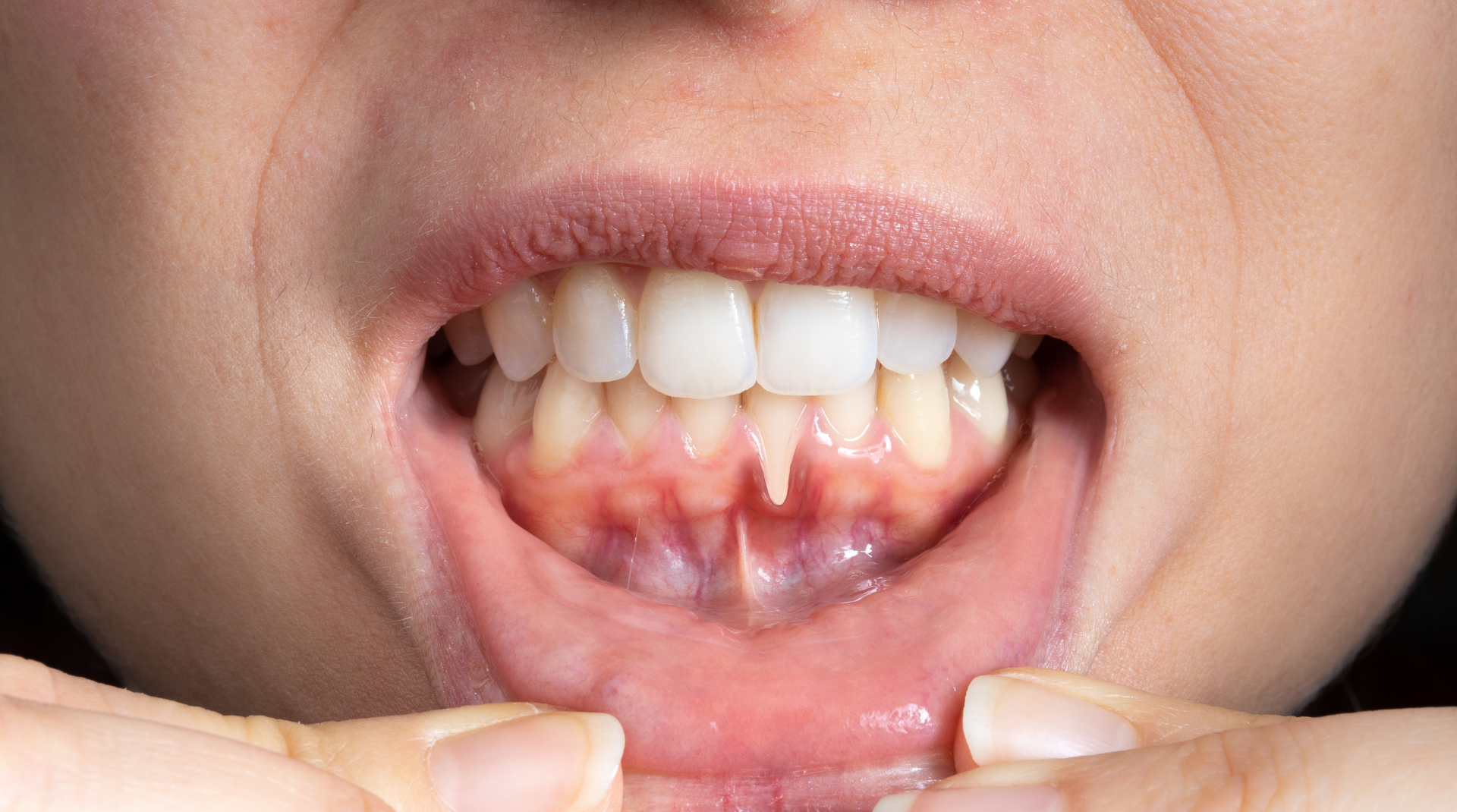
Traditional soft-tissue grafting is effective and remains the right choice for many patients. Still, many people hesitate because it typically involves a scalpel and sutures, tissue taken from the roof of the mouth or a donor source, a second surgical site, and a longer recovery. Left untreated, however, receding gums can expose tooth roots, increase sensitivity, and contribute to further periodontal damage.
Your Options: Alternatives to Gum Graft Surgery
The best alternative depends on how far the recession has progressed, the thickness of your gum tissue, your bite, and what is causing the recession. These are the options we discuss with patients:
1. Treating the cause first. When recession is mild or tied to active gum disease, deep cleaning and control of bacteria and inflammation can stop it from getting worse. This does not regrow gum tissue, but it can be the right first step. See our guide to gum disease treatment.
2. Laser gum therapy (LANAP). A minimally invasive way to treat gum disease. It targets infection and inflammation rather than covering exposed roots. Learn more about laser gum therapy.
3. The Pinhole® Surgical Technique (PST). A scalpel-free procedure that repositions your own gum tissue over exposed roots through a tiny entry point, with no donor tissue and no sutures. See pinhole gum rejuvenation.
4. Biomaterial-assisted grafting. Some procedures use a collagen matrix instead of tissue from the roof of the mouth. This avoids a second surgical site, but it is still a graft-type surgery.
5. Cosmetic bonding. Tooth-colored material can cover exposed root surfaces and reduce sensitivity, but it does not restore lost gum tissue.
Not every option suits every patient. Part of a good consultation is hearing honestly which one fits your mouth, including when a traditional graft is still the better choice.
How the Pinhole Surgical Technique Works
Unlike traditional gum grafting, the Pinhole Surgical Technique repositions your existing healthy gum tissue instead of adding donor tissue. That means no cutting and no sutures, and many patients report less discomfort afterward.
Before treatment, we thoroughly clean the area, removing the bacterial buildup and inflammation that contributed to recession. As a biologic periodontal practice, TetraHealth focuses on root causes, not just the cosmetic symptom.
During the procedure, a tiny entry point (the “pinhole”) is made in the gum tissue above the affected teeth. Specialized instruments gently guide the gum tissue back over the exposed roots, and collagen strips are placed beneath the tissue to help hold it in position. Many patients notice an improvement in their gumline right away.
Pinhole vs. gum grafting at a glance
• Incisions and sutures: PST uses a small entry point and no sutures. Traditional grafting uses incisions and sutures.
• Donor tissue: PST repositions your own gum tissue. Traditional grafting often takes tissue from the palate or a donor source.
• Surgical sites: PST works at the treatment area. A palate graft adds a second site.
• Treatment time: PST can often treat several teeth in one visit.
• Recovery: PST is generally gentler, though healing varies by patient.
Is the Pinhole Technique Right for You?
PST may be a good fit if you have visible gum recession, sensitivity, or root exposure and want a less invasive option. A traditional graft may be recommended instead when gum tissue is very thin or other factors make the pinhole approach less predictable. PST also requires advanced certification and specialized training, so it matters who performs it, and proper diagnosis always comes first.
Why gum recession happens. Gum recession is rarely just a cosmetic issue. It is often a sign of deeper oral-systemic inflammation. Common contributing factors include:
• Periodontal bacterial imbalance
• Bruxism (clenching and grinding)
• Airway restriction or mouth breathing
• Restrictive frenums
• Immune dysregulation
Before recommending treatment, Dr. Volchonok uses advanced diagnostics such as OralDNA® salivary testing, CBCT imaging, and a comprehensive periodontal evaluation. This helps support long-term stability rather than a temporary fix. For more, read can receding gums heal? and what to do about a single receding gumline.
Biologic Enhancements That Support Healing
As a biologic periodontal practice, we integrate regenerative therapies that support healing and tissue stability:
• Platelet-rich fibrin (PRF): uses your body’s own growth factors to support healing and collagen formation
• Ozone therapy: helps reduce bacterial load and inflammation
• Biocompatibility-tested collagen: supports tissue stabilization
• Low-level laser therapy: supports circulation and soft-tissue healing
These adjunctive therapies create a healthier environment for gum tissue to stabilize, supporting both aesthetic results and long-term periodontal health.
Frequently Asked Questions
Is there an alternative to gum grafting?
Yes. Depending on your case, alternatives include treating the underlying gum disease, laser gum therapy, the Pinhole Surgical Technique, collagen-matrix procedures, and cosmetic bonding. A periodontist can tell you which one fits.
Is the Pinhole Surgical Technique an alternative to gum surgery?
It is a minimally invasive surgical option. It still treats recession by moving gum tissue, but it avoids a scalpel, sutures, and donor tissue.
Does the pinhole technique hurt?
The area is numbed, and many patients report less discomfort afterward than with traditional grafting. Your experience will vary, and we review aftercare with you.
Can receding gums grow back on their own?
Gum tissue does not regrow by itself. Treating the cause can stop recession from progressing, and procedures can restore the gumline. We explain more in our article on whether receding gums can heal.
How do I know if I am a candidate?
The only way to know is an evaluation. We assess the amount of recession, tissue thickness, bite, and inflammation before recommending a treatment.
Make an Appointment Today
If you have gum recession, tooth sensitivity, or visible root exposure, early care matters. To learn whether the Pinhole Surgical Technique or another gum graft alternative is right for you, schedule a consultation with Dr. Volchonok at our Manhattan or Greenwich office, or contact us online.