Can Receding Gums Heal? What You Need to Know
Receding gums worry a lot of people because they expose tooth roots, cause sensitivity, and change the look of your smile. If you want to know whether you can heal receding gums, the short answer is: small areas can stabilize and feel better with good care, but true gum regeneration and root coverage usually need professional treatment. This article explains what gum recession is, common causes, non‑surgical and surgical options, how advanced tests guide care, prevention tips, and when to see a specialist. Use this as a roadmap so you can make informed choices about how to heal receding gums and protect your oral health.
What Are Receding Gums?
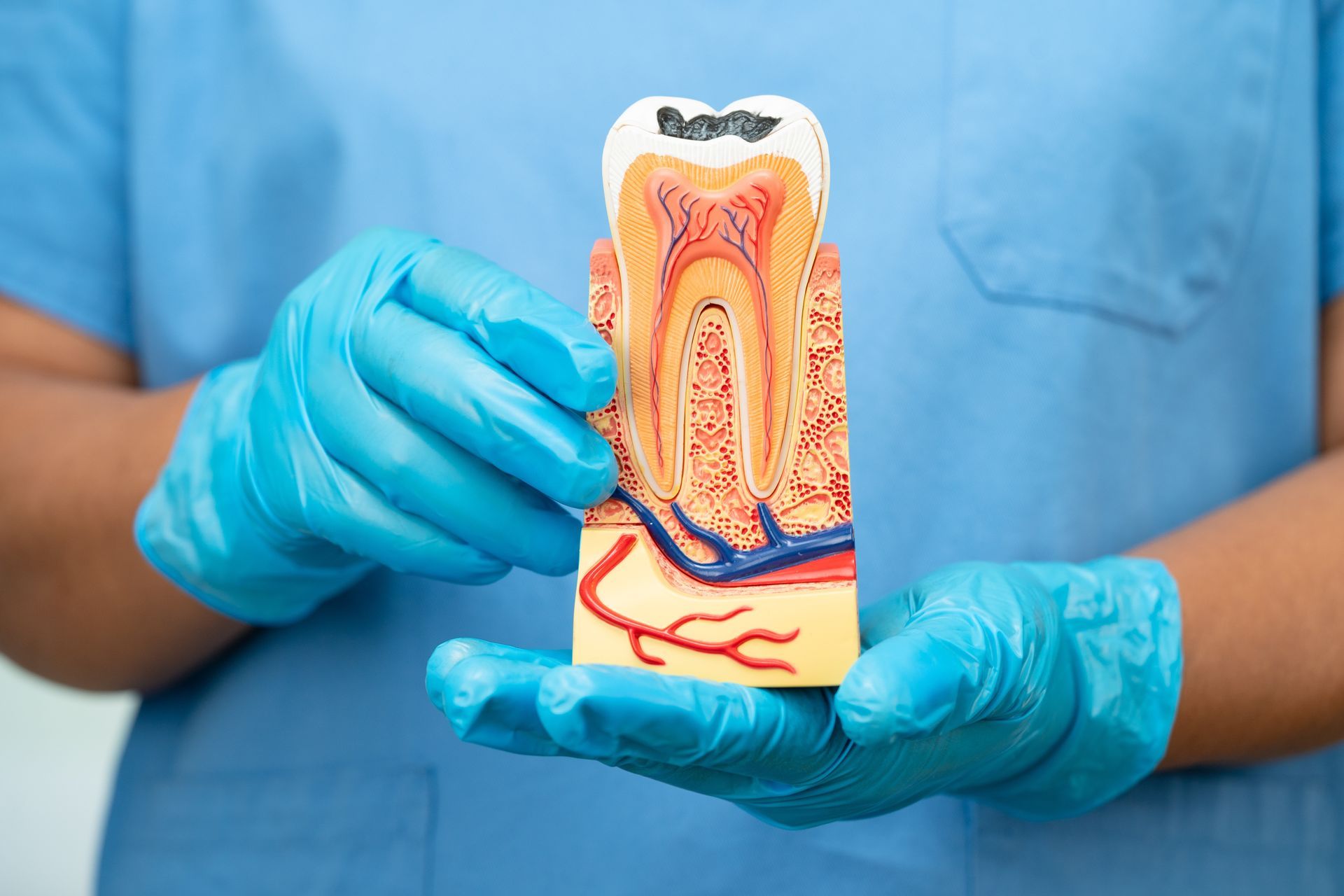
Receding gums means the gum tissue that normally covers the tooth moves back or wears away. That exposes the tooth root, which is more sensitive and not as well protected as the crown. People often notice longer-looking teeth, sensitivity to cold or sweets, and a darker line near the gum. Recession is tissue loss, different from simple gum swelling or inflammation, which may be reversible with cleaning.
Common Causes Of Gum Recession
Aggressive brushing and poor technique
Brushing too hard, using a hard-bristled brush, or scrubbing sideways can wear away gum tissue over time. Switching to a soft brush and gentle technique often stops further damage.
Periodontal (gum) disease
Bacterial infection under the gum destroys tissue and bone. If left untreated, periodontal disease causes progressive recession and can lead to loose teeth.
Genetics and thin gum biotype
Some people are born with thin gums. Thin tissue is more likely to recede with normal tooth movement or minor trauma.
Tooth grinding, misaligned bite, and orthodontic forces
Clenching, grinding, or teeth that push against each other unevenly put extra pressure on gums and bone, speeding up recession.
Tobacco, trauma, and prior dental work
Smoking, physical injury, and some dental procedures can irritate or damage gums and contribute to recession.
Can Receding Gums Really Heal?
Minor recession can often be stopped and feel better with improved home care and professional cleaning. Gums may reattach a little, reducing sensitivity. But true tissue regeneration — restoring the lost gum and root coverage — rarely happens on its own. For meaningful root coverage and cosmetic improvement, periodontal procedures or grafts are usually needed. The goal is first to stop progression, then evaluate if regenerative treatment is right.
Non‑Surgical Ways To Help Heal Receding Gums
Improved home care and technique
Gentle brushing with a soft toothbrush, proper flossing, and using an electric brush with pressure control can reduce further wear. Good daily care lowers bacteria and inflammation.
Professional deep cleaning (scaling & root planing) and periodontal maintenance
Removing plaque and hardened tartar below the gum line helps gums reattach to cleaner roots. Regular periodontal maintenance keeps disease under control and prevents further recession.
Desensitizing agents and tooth‑colored root surface coatings
Desensitizing pastes, varnishes, or resin coatings can reduce sensitivity from exposed roots and protect the surface while other treatments are planned.
Occlusal guards and bite adjustment to stop further damage
A night guard for grinding or small bite adjustments can stop mechanical forces that worsen recession. These measures often stabilize the situation but may not restore lost gum height. Note: Non‑surgical care works best for early or mild recession. If root exposure is significant, these measures may only stop progression, not fully repair it.
Surgical & Regenerative Options To Heal Receding Gums
Connective tissue grafts and free gingival grafts for root coverage
Grafts move tissue from another site (often the palate) to cover exposed roots. They have a high success rate for restoring gum height and improving appearance.
Advanced techniques: Pinhole Surgical Technique and guided tissue regeneration
The Pinhole Surgical Technique is minimally invasive and can reposition gum tissue with small incisions. Guided tissue regeneration uses membranes and bone graft materials to encourage the body to rebuild lost tissues.
Biologic aids: Platelet‑Rich Fibrin (PRF) and laser‑assisted regeneration (LANAP)
PRF uses your blood to boost healing when grafts or regenerative procedures are done. LANAP and other laser techniques treat diseased tissue while promoting reattachment and reducing recovery time. Outcomes vary by technique, the size of the defect, and the patient’s health. Grafts and regenerative procedures often offer the most predictable root coverage and long-term stability.
How Advanced Diagnostics Guide Treatment
Modern testing helps target the real causes behind recession. CBCT scans show bone levels and tooth position in 3D. OralDNA salivary testing identifies harmful bacteria. ROSA screening combines radiographic, salivary, and airway checks to reveal systemic contributors. Biocompatibility testing helps select materials suited to your biology. These tools let clinicians design a plan that aims to stop recession and optimize healing.
Preventing Future Recession And Protecting Results
Protecting gums after treatment and preventing new recession includes soft brushing, daily flossing, avoiding tobacco, and keeping regular periodontal cleanings. Night guards stop grinding. Orthodontics can move teeth to better positions that protect gums. A balanced diet, good hydration, and avoiding acidic drinks help tissue health. Maintenance visits are key to long-term success.
When To See A Periodontist — Red Flags
See a specialist if recession is getting worse quickly, if you have persistent bleeding, increasing sensitivity, loose teeth, or exposed roots that affect appearance. Rapid change, pain, or signs of infection require prompt evaluation.
About Tetrahealth And Our Biologic Approach
Tetrahealth, led by Drs. Alex and Michele Volchonok, focuses on biologic, minimally invasive care that links oral health to whole‑body wellness. We use tools like PRF, LANAP, CBCT, and OralDNA to address root causes and promote natural healing while prioritizing patient safety and biocompatibility.
Next Steps & Patient Expectations
An initial evaluation includes a clinical exam, imaging (often CBCT), and targeted tests like OralDNA or ROSA screening when needed. Non‑surgical care typically shows improvement in weeks to months; surgical grafts may require a few months to achieve full root coverage and tissue maturation. Costs vary by treatment; financing options are often available. To find out whether you can heal receding gums and which approach fits your needs, schedule a periodontal consult and ROSA screening to get a personalized plan.