Bad Periodontitis: Understanding, Treating, & Preventing Gum Disease
Bad Periodontitis: Understanding, Treating, & Preventing Gum Disease
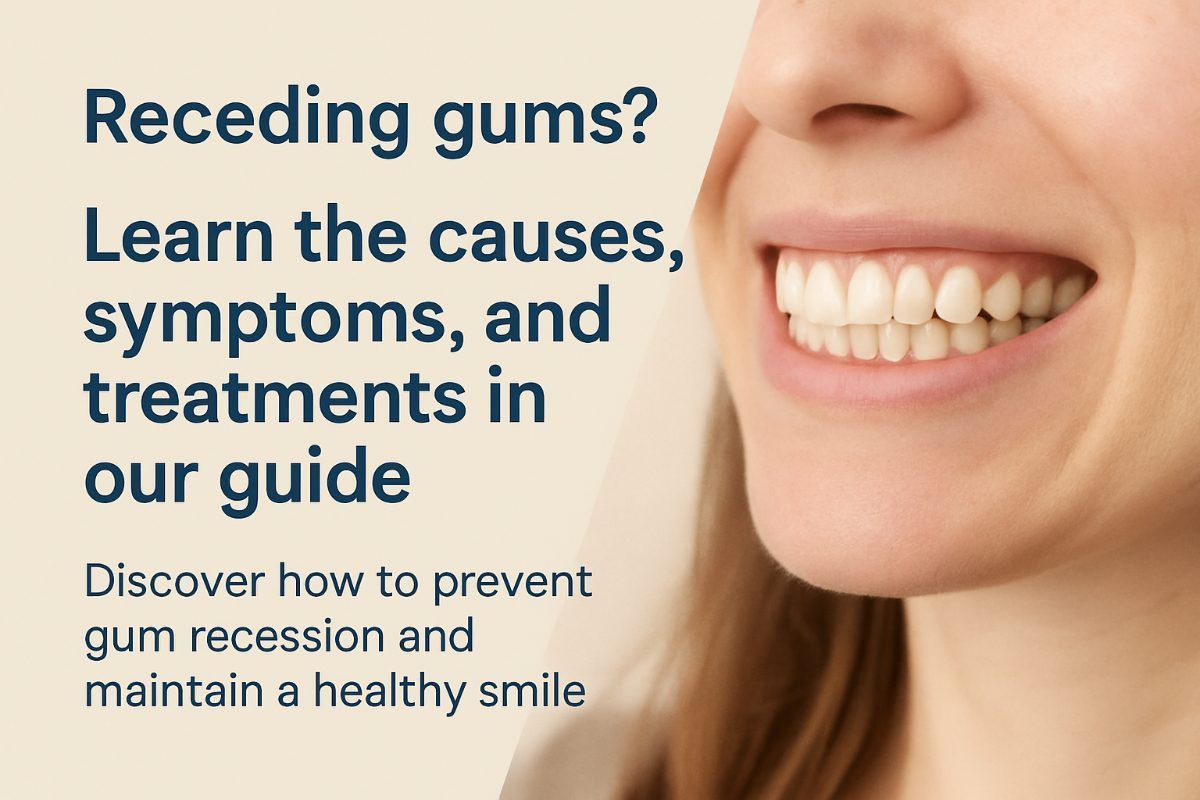
Receding gums are a common but serious dental problem where the gum margin pulls away from the tooth, exposing roots and raising the risk of sensitivity, decay, and tooth loss. This guide explains what causes receding gums, how clinicians diagnose and treat them, and practical steps you can take to prevent recurrence.
What Are Receding Gums?
Receding gums occur when the gum tissue that normally covers the tooth root moves downward or away from the crown. That change makes teeth look longer and can expose the softer root surface to bacteria and wear.
Exposed roots often mean increased sensitivity to hot, cold, or sweet foods, greater risk of root decay, and, if untreated, loss of supporting bone that threatens long-term tooth stability.
Common Causes Of Receding Gums
Periodontal (Gum) Disease
Bacterial infection in gum pockets destroys soft tissue and bone. Left untreated, periodontal disease is a leading cause of receding gums and tooth loss.
Aggressive Brushing & Poor Technique
Brushing too hard, using a hard-bristle brush, or abrasive toothpaste can wear away gum tissue over time and accelerate recession.
Tooth Position, Bite, And Orthodontic Forces
Teeth that sit outside the dental arch or an uneven bite can pull on gums. Tight frenums or shifting teeth from orthodontic forces can also create localized recession.
Tobacco Use, Hormones, And Systemic Health
Smoking, uncontrolled diabetes, and hormonal changes (pregnancy, menopause) increase inflammation and the risk of receding gums.
Genetics And Thin Gum Tissue
Some people naturally have thinner gum tissue or a genetic predisposition that makes them more prone to recession, even with good care.
Signs, Symptoms, And When Receding Gums Are Serious
Early recognition helps protect teeth. Watch for gradual changes and seek urgent care for severe signs.
- Common signs: teeth look longer, visible root surfaces, increased tooth sensitivity, small gaps between teeth.
- Red flags needing immediate attention: loose teeth, persistent pus or foul taste, heavy or unexplained bleeding, severe pain, or rapid worsening of recession.
Diagnosing Receding Gums
A thorough exam identifies the cause, extent of tissue loss, and any bone involvement so you can get the right care for receding gums.
- Clinical exam: pocket probing, measuring gum recession, checking tooth mobility and tooth position.
- Imaging and tests: digital X-rays and CBCT scans to assess bone loss, OralDNA salivary testing to identify harmful pathogens, and airway/sleep screening when breathing issues may be involved.
Treatment Options For Receding Gums
Non-Surgical Care
Initial treatment often focuses on controlling infection and improving home care: professional scaling and root planing, targeted antimicrobials, improved brushing technique, and adjuncts like ozone therapy to reduce pathogens.
Minimally Invasive & Regenerative Therapies
Laser-assisted regeneration such as LANAP can arrest disease and promote reattachment. Platelet-rich fibrin (PRF) and biologic agents support soft-tissue healing and help regenerate lost attachment.
Surgical Grafting And Tissue Reconstruction
For visible recession and sensitivity, grafting procedures (connective tissue grafts, tunnel techniques, cosmetic gum grafts) restore the gum margin, reduce root exposure, and improve aesthetics.
Restorative Solutions For Advanced Loss
When teeth are unsalvageable, replacement with implants (including metal-free zirconia implants) and biomimetic restorative planning restore function and protect adjacent tissues.
Addressing Bite And Orthodontic Causes
Treating the underlying bite problem with orthodontics or selective equilibration prevents recurrence and distributes forces more evenly across the gums and bone.
Preventing Receding Gums
Prevention combines daily habits, regular care, and management of overall health to reduce the risk of future recession.
- Daily habits: use a soft-bristle brush, gentle technique, floss daily, and choose non-abrasive toothpaste. Quit tobacco.
- Professional care: routine cleanings, early periodontal screening, and microbiome testing when infections are suspected.
- Lifestyle: control diabetes and inflammation, eat a nutrient-rich diet, manage stress, and address sleep or airway problems that affect healing.
Biologic, Minimally Invasive Care For Receding Gums At Tetrahealth
Tetrahealth treats receding gums with a biologic, root-cause approach that blends advanced diagnostics and minimally invasive therapies. The practice was founded by Dr. Alex Volchonok, a biologic board-certified periodontist and oral implantologist, and Dr. Michele Volchonok, a biologic restorative and cosmetic dentist—both experienced in LANAP, PRF, and zirconia implants.
Key technologies and tests used to manage receding gums include ROSA screening, CBCT imaging, OralDNA salivary testing, LANAP laser therapy, PRF regenerative support, ozone therapy, zirconia implant options, and biocompatibility testing to select safe materials for each patient.
When To See A Specialist For Receding Gums
Book an evaluation if you notice sensitivity, visible recession, persistent bleeding, or loose teeth. A specialist visit includes a detailed periodontal exam, imaging, and personalized planning to halt disease and restore tissues.
- What to expect: thorough medical and dental history, pocket and recession measurements, imaging as needed, and discussion of biologic testing and treatment options.
- How a biologic periodontal evaluation differs: focus on whole-body links, individualized material testing, minimally invasive regeneration, and collaboration with medical providers when systemic issues are involved.
If you suspect receding gums, prompt evaluation and a targeted plan can preserve teeth, reduce sensitivity, and prevent future bone loss. Early action gives the best chance for simple, effective care.