Periodontal Disease Doctors: Expert Care For Gum Health
Periodontal Disease Doctors: Expert Care For Gum Health
Periodontal disease is a common infection of the gums and supporting bone around your teeth. Early care matters because gum disease starts quietly and can lead to tooth loss, bone damage, and contribute to other health problems if untreated. This post explains the signs, diagnosis, treatments, prevention, and how to find a periodontist so you can take practical next steps for gum health.
What Is Periodontal Disease?
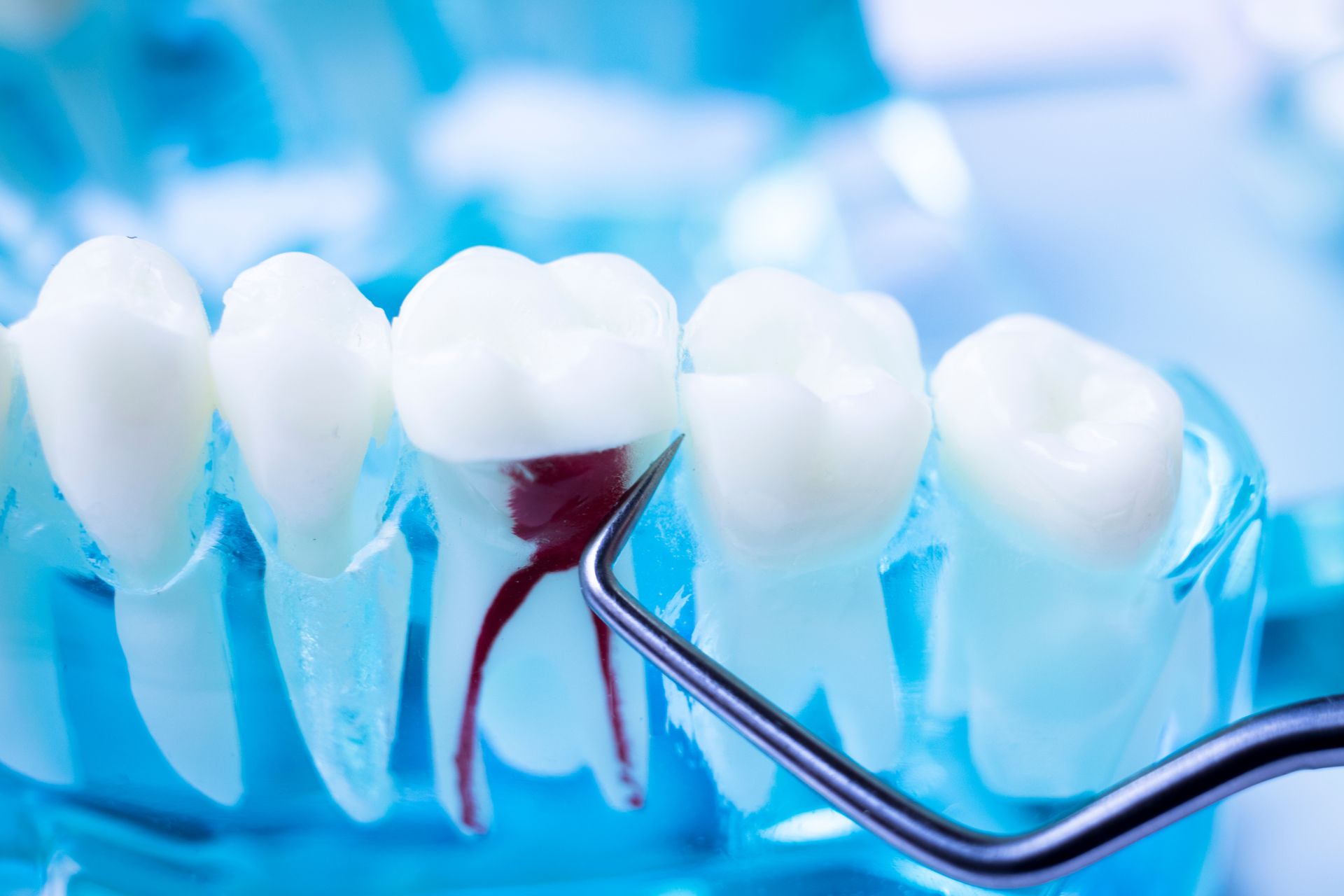
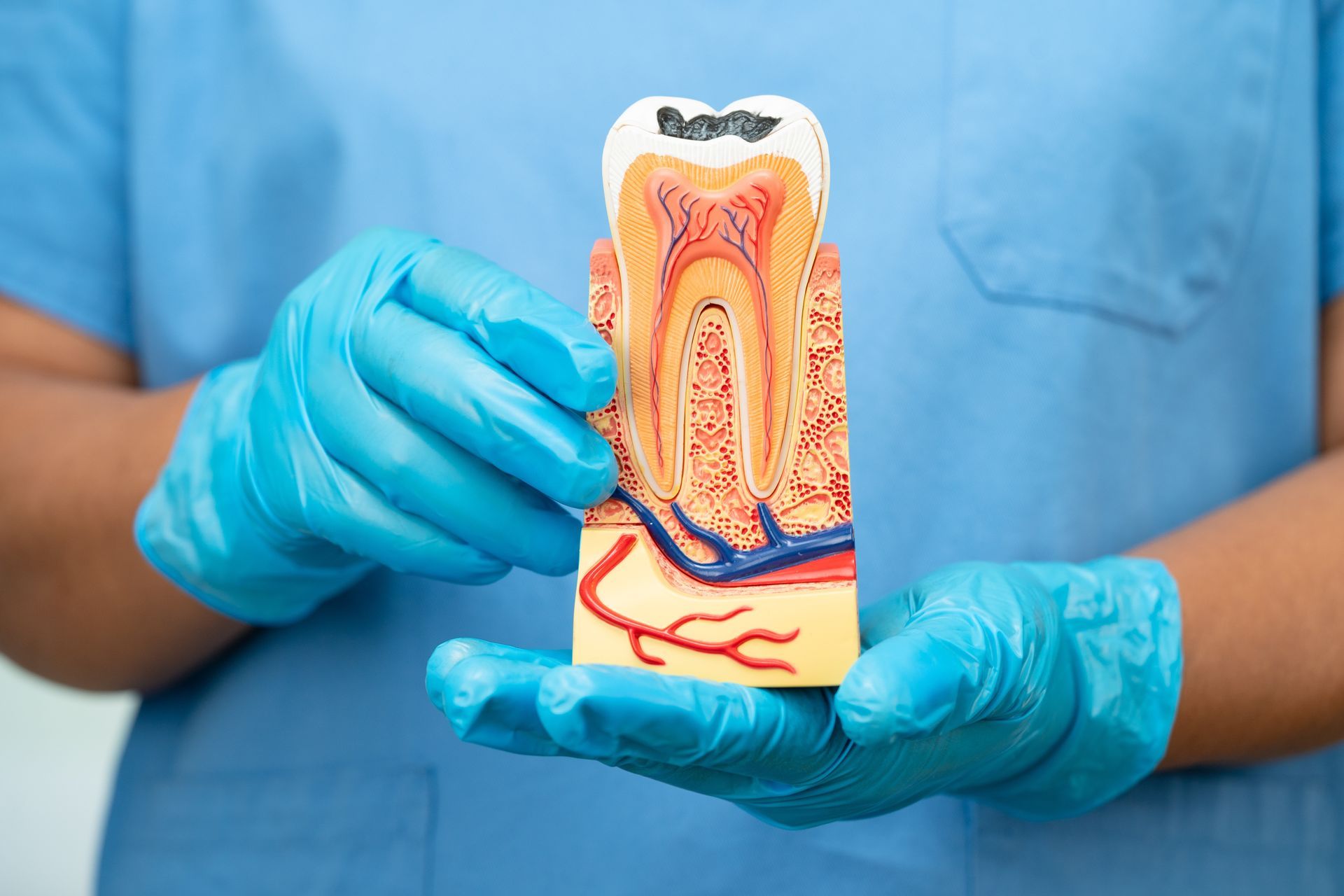
Periodontal disease is inflammation and infection of the tissues that hold teeth in place. It begins as gingivitis (red, swollen, bleeding gums) and can progress to periodontitis, where pockets form, bone is lost, and teeth loosen. Left untreated, periodontal disease can damage bone and teeth and is linked to systemic conditions like autoimmune conditions, diabetes and heart disease.
Common Signs & Symptoms Of Periodontal Disease
Watch for these common symptoms of periodontal disease in Manhattan, NY and elsewhere. If you notice any, seek evaluation promptly.
- Gums that bleed during brushing or flossing
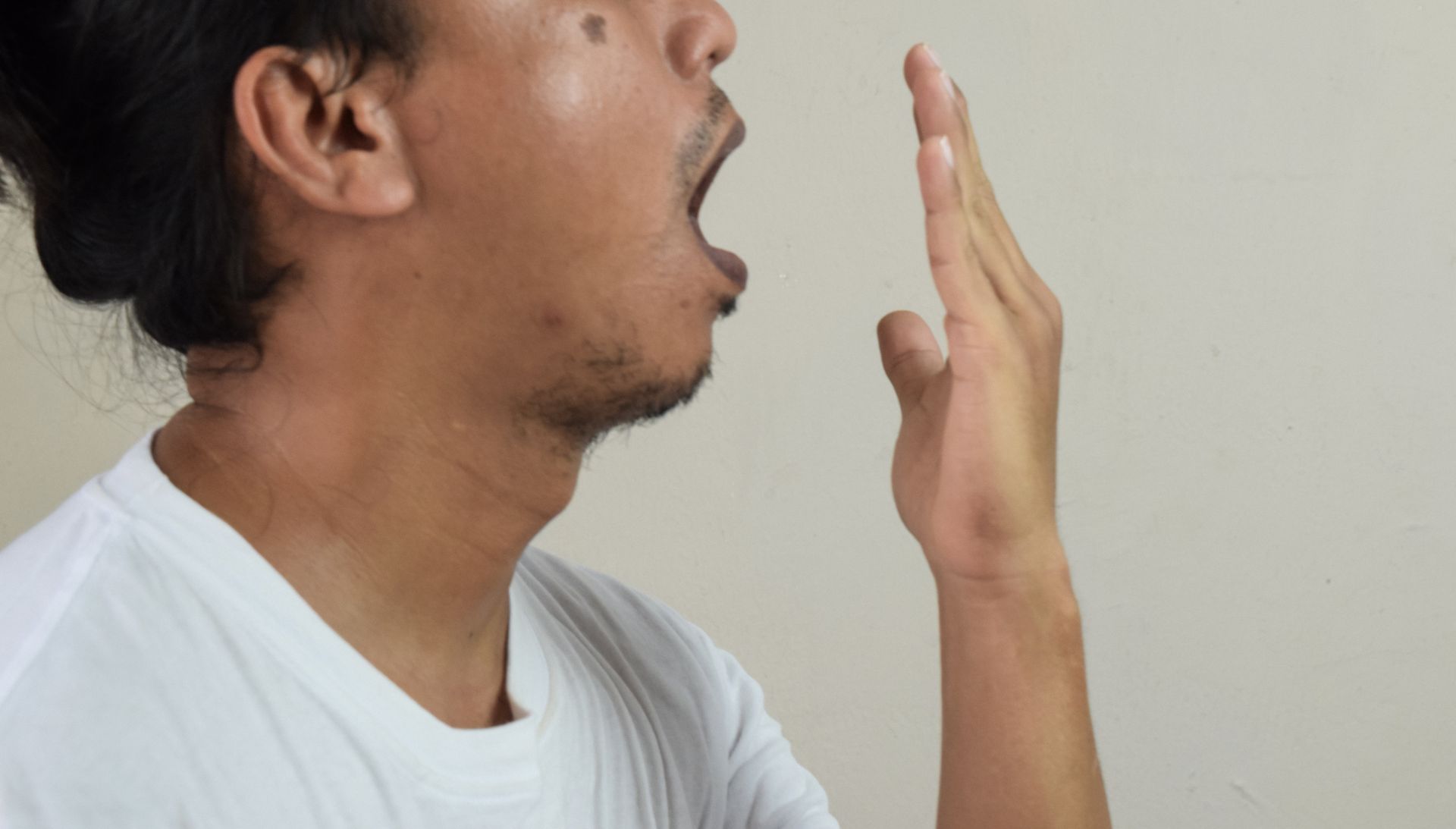
- Persistent bad breath or a bad taste
- Gum recession or teeth that look longer
- Loose or shifting teeth and changes in bite
- Pain or sensitivity around the gum line
See a general dentist for routine care and mild gingivitis. See a periodontist in Manhattan, NY when pockets, loose teeth, persistent infection, or complex bone loss are present — especially for periodontal disease in Manhattan, NY that may need advanced diagnostics or specialized treatment.
Major Causes & Risk Factors
Periodontal disease is driven by plaque bacteria plus factors that weaken gum defenses. Major causes and risks include:
- Poor oral hygiene and plaque buildup
- Smoking or tobacco use
- Diabetes and poorly controlled blood sugar
- Certain medications that reduce saliva or change gums
- Genetics, stress, and hormonal changes
- Systemic inflammation and immune issues
Because your overall health affects gum outcomes, managing systemic conditions helps lower the risk of periodontal disease.
How A Periodontist Diagnoses Periodontal Disease In Manhattan, NY
A periodontist uses a thorough protocol to diagnose and stage periodontal disease in Manhattan, NY accurately. Key steps include:
- Clinical exam with pocket probing and gum measurements
- Checking tooth mobility and bite changes
- Advanced imaging like CBCT scans for bone and sinus assessment
- ROSA™ screening for integrated radiographic, oral, salivary, and airway data
- OralDNA® salivary testing to identify specific pathogens and inflammation markers
- Airway assessment when sleep or breathing issues may link to oral health
Accurate diagnosis guides the right treatment plan and protects long-term oral and systemic health.
Treatment Options Offered By A Periodontist
Non-Surgical Care
Early or moderate periodontal disease is often managed with scaling and root planing (deep cleaning), targeted antimicrobial therapy, and improved home care. Regular follow-up and periodontal maintenance are essential to keep infection under control.
Minimally Invasive & Laser Therapies
LANAP laser treatment offers a less invasive option to remove diseased tissue, reduce bacteria, and promote tissue reattachment with faster healing. Laser and minimally invasive approaches can lower discomfort and preserve more healthy tissue.
Surgical & Regenerative Options
For advanced bone loss, a periodontist may recommend flap surgery, bone grafts, guided tissue regeneration, and PRF (platelet-rich fibrin) therapy to promote healing and rebuild support around teeth.
Replacement And Restorative Care
After periodontal stabilization, restorative options include implants and crowns. Zirconia dental implants are a metal-free choice for patients with sensitivities or autoimmune concerns and can be planned precisely after periodontal therapy.
How To Choose The Right Periodontal Disease Doctor / Periodontist In Manhattan, NY
Find a periodontist with the right credentials and approach for periodontal disease in Manhattan, NY:
- Board certification, biologic training, and implant experience
- Use of advanced diagnostics (CBCT, OralDNA®, ROSA™) and modern treatment options
- A treatment philosophy that balances minimally invasive care with long-term function
Ask at your first visit about the diagnostics they’ll use, expected recovery, alternatives, and how they coordinate care with your medical providers. Patients with autoimmune issues or material sensitivities should seek a biologic or whole-body approach.
Preventing Periodontal Disease: Home Care & Maintenance
Prevention is the best defense against periodontal disease. Daily habits and maintenance include:
- Brushing twice daily with a soft brush
- Daily flossing or interdental cleaning
- Using an appropriate antimicrobial mouthwash when recommended
- Regular professional cleanings and periodontal maintenance visits
- Quitting smoking and managing chronic conditions like diabetes
After active treatment, schedule periodontal maintenance as recommended — often every 3 months — to prevent recurrence.
About Tetrahealth’s Periodontists & What Makes Their Care Different
Dr. Alex Volchonok and Dr. Michele Volchonok lead Tetrahealth with a biologic, minimally invasive approach to periodontal disease. They focus on root causes, whole-body health, and gentle techniques to reduce inflammation and support healing. Key technologies they use include LANAP, PRF therapy, CBCT imaging, and OralDNA® testing to create precise, personalized plans.
If you notice symptoms of periodontal disease or want a second opinion, request a periodontal evaluation. At your first visit expect a detailed exam, diagnostics, and a clear treatment plan tailored to your needs. Early evaluation can save teeth and improve overall health — schedule an appointment with a qualified periodontist to protect your smile and wellbeing.