Biomimetic Dentistry at TetraHealth Dentistry
Restoring Teeth by Rebuilding Natural Biology
At TetraHealth Dentistry, restorative dentistry is never approached as simple mechanical repair. Teeth are not inert structures that merely require filling or replacement when damage occurs. Instead, they function as living biomechanical systems designed to absorb force, distribute pressure, and interact continuously with surrounding tissues. Because of this complexity, repairing a tooth requires more than simply covering damaged areas. It requires restoring the structure in a way that allows the tooth to behave naturally again.
This philosophy is known as biomimetic dentistry, a modern restorative approach that focuses on preserving natural tooth structure while rebuilding strength and function in harmony with the body’s biology. Rather than removing large portions of tooth structure to accommodate traditional restorations, biomimetic techniques prioritize conservation and precision. Advanced bonding methods and modern restorative materials are used to recreate the layered mechanics of enamel and dentin so that the tooth can function much like it did before damage occurred.
At TetraHealth Dentistry, this approach is led by Dr. Michele Volchonok and Dr. Rowan Pereira, two clinicians who integrate biologic principles, precision diagnostics, and minimally invasive restorative techniques into every treatment plan. Their goal is not simply to repair teeth, but to restore the structural harmony that allows the mouth to function efficiently and comfortably over time.
The Limitations of Traditional Restorative Dentistry
For many years, restorative dentistry relied on a straightforward but often aggressive principle: remove damaged tooth structure and replace it with a durable restorative material. Crowns, large fillings, and other traditional restorations were designed primarily for strength and durability, which often meant removing substantial amounts of healthy tooth structure to ensure the restoration could be securely placed.
Although these restorations frequently solved immediate structural problems, they often created new challenges over time. A tooth prepared for a crown can lose a significant percentage of its natural architecture, and once that structure is removed the tooth becomes increasingly dependent on the restoration itself. Over time, chewing forces begin to concentrate at the margins between the restoration and the remaining tooth structure. These stress points can lead to microfractures, weakened margins, and eventual restoration failure.
As restorations are replaced over the years, each cycle typically requires removing additional tooth structure. Eventually the tooth may weaken to the point where extraction or complex reconstruction becomes necessary. Biomimetic dentistry seeks to break this cycle by preserving as much natural tooth structure as possible and reinforcing what remains rather than replacing it entirely.
Recreating Nature’s Engineering
The concept of biomimetic dentistry comes from the idea of mimicking the natural design of living structures. Natural teeth are remarkably sophisticated systems composed of multiple layers that work together to manage mechanical stress. The outer enamel layer provides hardness and resistance to wear, while the underlying dentin provides flexibility and shock absorption. Together, these layers allow teeth to withstand tremendous forces generated during chewing without fracturing.
When a tooth becomes damaged, biomimetic dentistry focuses on recreating this layered structure rather than simply filling the space with a rigid material. Modern adhesive bonding techniques allow restorative materials to integrate directly with the remaining tooth structure, creating a reinforced system that distributes chewing forces naturally throughout the tooth. Instead of overpowering the tooth with a rigid restoration, the goal is to rebuild the structure so that it functions as part of the original biomechanical system.
This approach allows teeth to behave much more like their natural form, restoring strength while maintaining flexibility and resilience.
Preservation as a Central Principle
Preserving natural tooth structure is one of the most important goals in biomimetic dentistry. Every portion of enamel and dentin that remains intact contributes to the long-term stability of the tooth. The more natural structure that can be maintained, the more resilient the tooth tends to be over time.
At TetraHealth Dentistry, treatment planning is guided by the idea that even small amounts of preserved tooth structure can make a meaningful difference in the longevity of a restoration. Biomimetic techniques allow dentists to stabilize cracks before they propagate, reinforce weakened areas, and rebuild structural integrity using precise adhesive bonding methods. In many cases, teeth that might traditionally require full crowns can instead be restored using conservative bonded restorations that maintain significantly more of the original tooth.
Preservation does not mean doing less dentistry. Rather, it reflects a commitment to performing dentistry with greater precision and biological awareness.
Advanced Diagnostics and Precision Planning
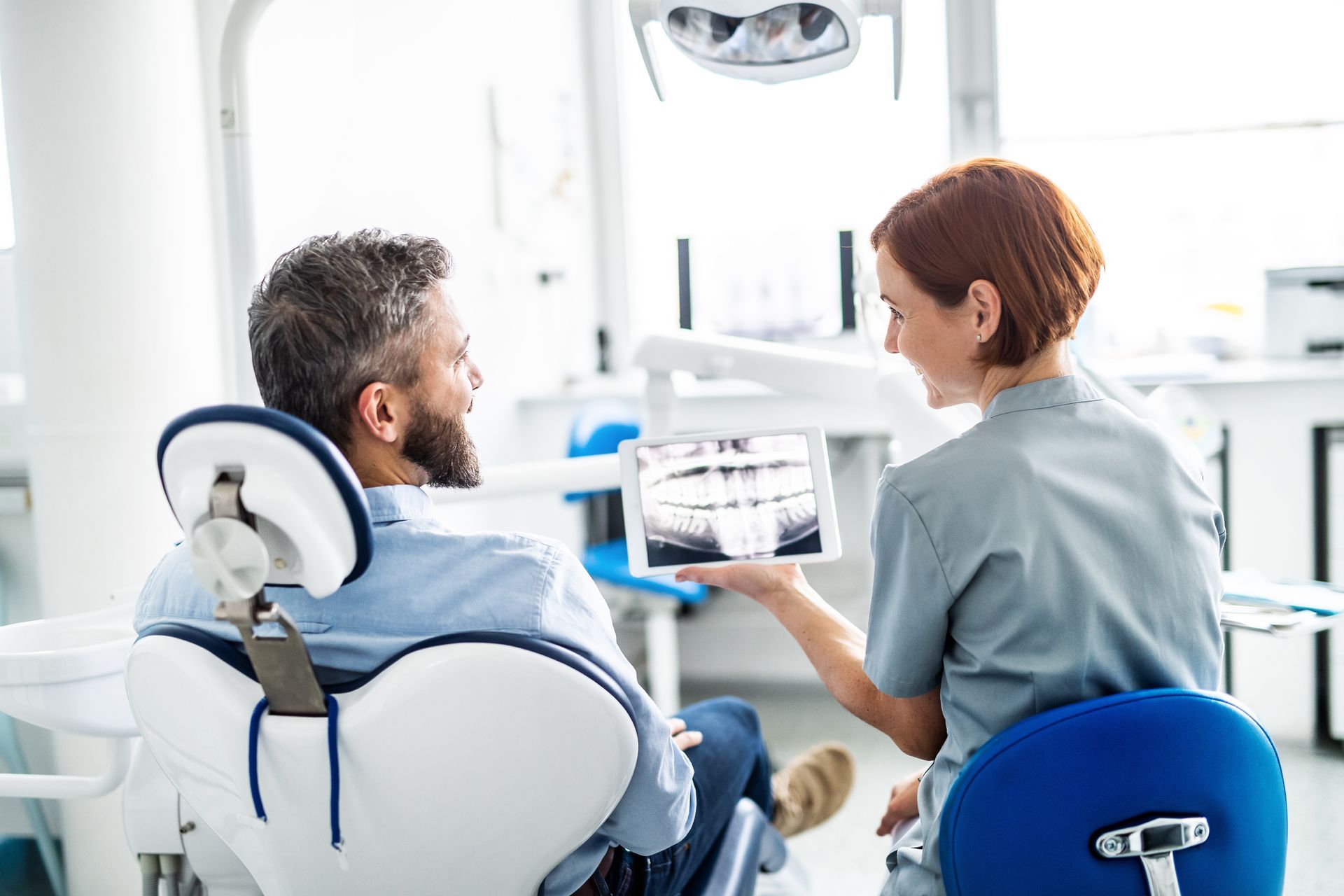
Successful biomimetic dentistry begins with careful diagnosis and treatment planning. At TetraHealth Dentistry, advanced diagnostic tools are used to evaluate the structural health of each tooth and identify the underlying causes of damage. Digital imaging, magnification, and precision diagnostic technologies allow clinicians to detect microfractures, areas of structural fatigue, and bite patterns that may contribute to tooth breakdown.
Understanding these structural dynamics is critical because a restoration placed without addressing the mechanical environment of the tooth may fail prematurely, regardless of the material used. By carefully analyzing bite forces, structural stress patterns, and surrounding tooth architecture, treatment can be designed to reinforce the tooth in a way that promotes long-term durability and stability.
Through this diagnostic process, restorative dentistry becomes less about reacting to damage and more about strengthening the natural system that supports the tooth.
Dr. Michele Volchonok: Biologic Restorative Dentistry
Dr. Michele Volchonok’s approach to restorative dentistry is deeply rooted in biologic principles and minimally invasive care. Her clinical philosophy emphasizes understanding how dental materials, restorative techniques, and oral structures interact with the body’s overall physiology. Dentistry should support the body’s natural balance rather than disrupt it.
Dr. Volchonok earned her Doctor of Dental Medicine degree from Temple University’s Kornberg School of Dentistry and has pursued extensive postdoctoral training in biologic dentistry, laser-assisted therapies, and safe dental material protocols. She is certified in the SMART technique for safe mercury amalgam removal and holds fellowships with the Institute of Advanced Laser Dentistry and the International Academy of Oral Medicine and Toxicology.
Through this advanced training, she integrates biomimetic restorative care into a broader biologic dentistry model that prioritizes structural preservation, biocompatible materials, and long-term wellness. Her goal is not only to restore damaged teeth, but to support the body’s overall health through thoughtful, minimally invasive care.
Dr. Rowan Pereira: Structural Harmony and Precision
Dr. Rowan Pereira brings an international perspective and multidisciplinary training to biomimetic restorative dentistry. His dental education began in India before he completed an advanced residency at New York University and earned his Doctor of Dental Medicine degree from Temple University.
This diverse educational background allows Dr. Pereira to approach dentistry from both a scientific and artistic perspective. His clinical work focuses on biomimetic restorative dentistry, minimally invasive cosmetic rehabilitation, functional bite optimization, and the preservation of natural tooth structure.
By carefully restoring the natural architecture of teeth, Dr. Pereira helps patients achieve results that are both durable and aesthetically natural. When restorations replicate the structure and behavior of natural enamel, the result is a restoration that blends seamlessly with the tooth while maintaining its functional integrity.
Biomimetic Dentistry Within a Whole-Body Model of Care
At TetraHealth Dentistry, oral health is always considered within the broader context of whole-body wellness. The mouth is closely connected to many other systems within the body, including the immune system, musculoskeletal structure, airway, and nervous system. Chronic oral inflammation, infection, or structural imbalance can influence systemic health in ways that extend beyond the mouth itself.
Biomimetic dentistry aligns naturally with this biologic model of care. By preserving natural tooth structure and using biocompatible materials, treatment can reduce unnecessary stress on surrounding tissues and the body as a whole. Structural stability within the mouth can also help minimize chronic mechanical stress that may contribute to fractures, inflammation, or long-term dental complications.
When dental treatment works with the body’s natural biology rather than against it, outcomes tend to be more stable and sustainable.
A More Thoughtful Vision for Restorative Dentistry
Biomimetic dentistry represents a meaningful shift in how restorative dental care is approached. Instead of replacing damaged structures with larger and stronger restorations, modern dentistry now has the ability to rebuild teeth in ways that closely replicate their natural design.
At TetraHealth Dentistry, Dr. Michele Volchonok and Dr. Rowan Pereira combine advanced clinical training, biologic philosophy, and precision restorative techniques to provide care that prioritizes long-term health, structural integrity, and preservation of natural tooth structure. Their approach reflects a simple but powerful principle: the closer dental treatment aligns with the body’s natural design, the more stable and sustainable the results become.
By preserving what nature created and carefully rebuilding what has been damaged, biomimetic dentistry allows teeth to function as they were originally intended—strong, resilient, and fully integrated within the body’s natural systems.