
preserving strength, vitality, and long-term health
Restore Your Teeth the Way Nature Intended
Biomimetic Dentistry
A More Natural Way to Restore and Protect Your Teeth
At Tetra Health, we believe dental care should work with your body—not against it. Biomimetic dentistry is an advanced restorative approach designed to preserve your natural tooth structure while restoring strength, function, and long-term health.
Unlike traditional dentistry, which often removes large portions of healthy tooth structure to place crowns or other restorations, biomimetic dentistry focuses on conserving as much of your natural tooth as possible. By using advanced materials and techniques that mimic the natural biology and biomechanics of teeth, we can restore damaged teeth in a way that helps them function and feel like natural teeth again.
Our doctors are currently completing advanced training through the Alleman Center of Biomimetic Dentistry Mastership, one of the most respected educational programs dedicated to biomimetic restorative techniques.
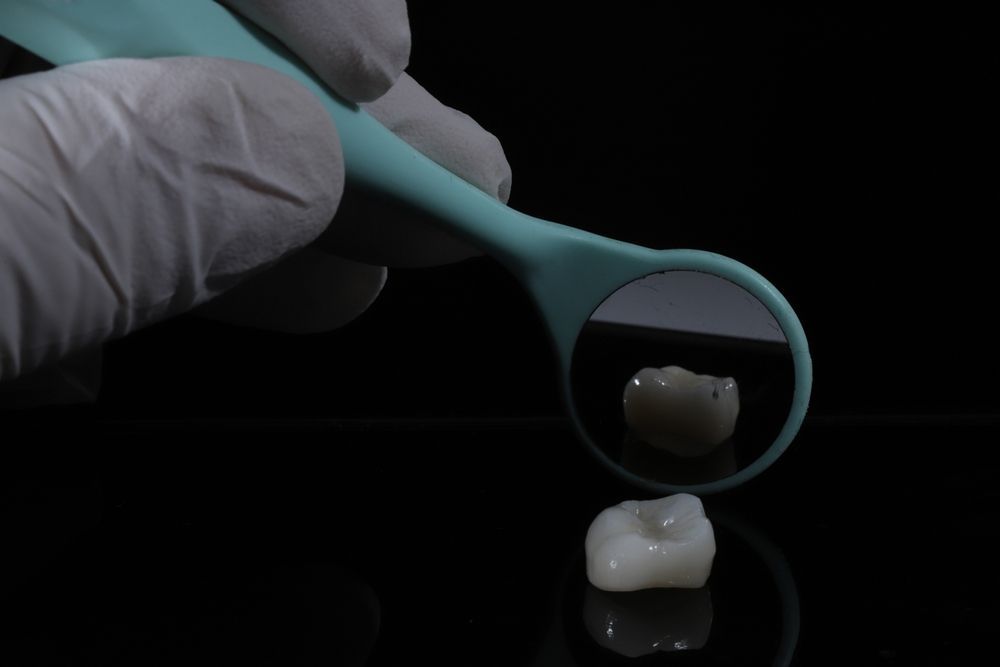
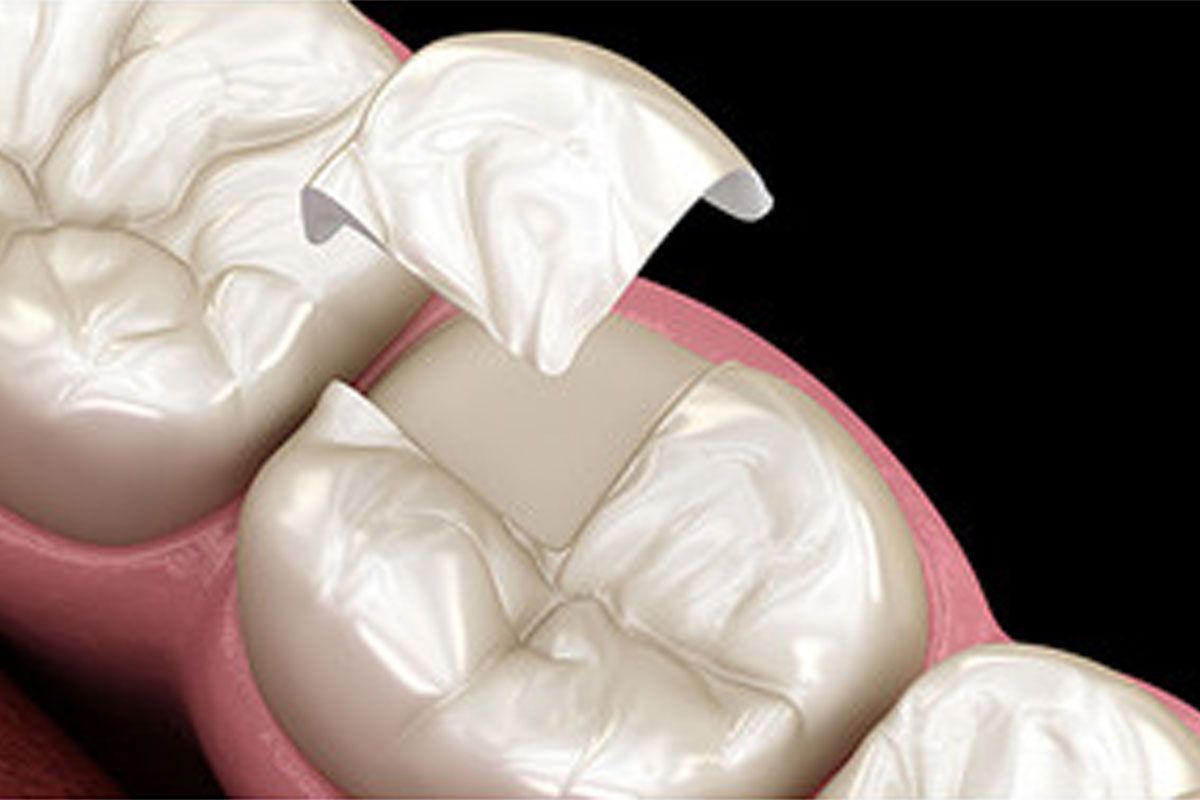
What Is Biomimetic Dentistry?
The word biomimetic means “to mimic nature.”
Biomimetic dentistry focuses on restoring teeth in a way that replicates the natural structure and function of healthy teeth. Instead of aggressively removing tooth structure, this approach carefully removes only damaged or decayed portions of the tooth while preserving the healthy parts.
The goal is to restore teeth so they behave naturally—maintaining their strength, flexibility, and vitality whenever possible.
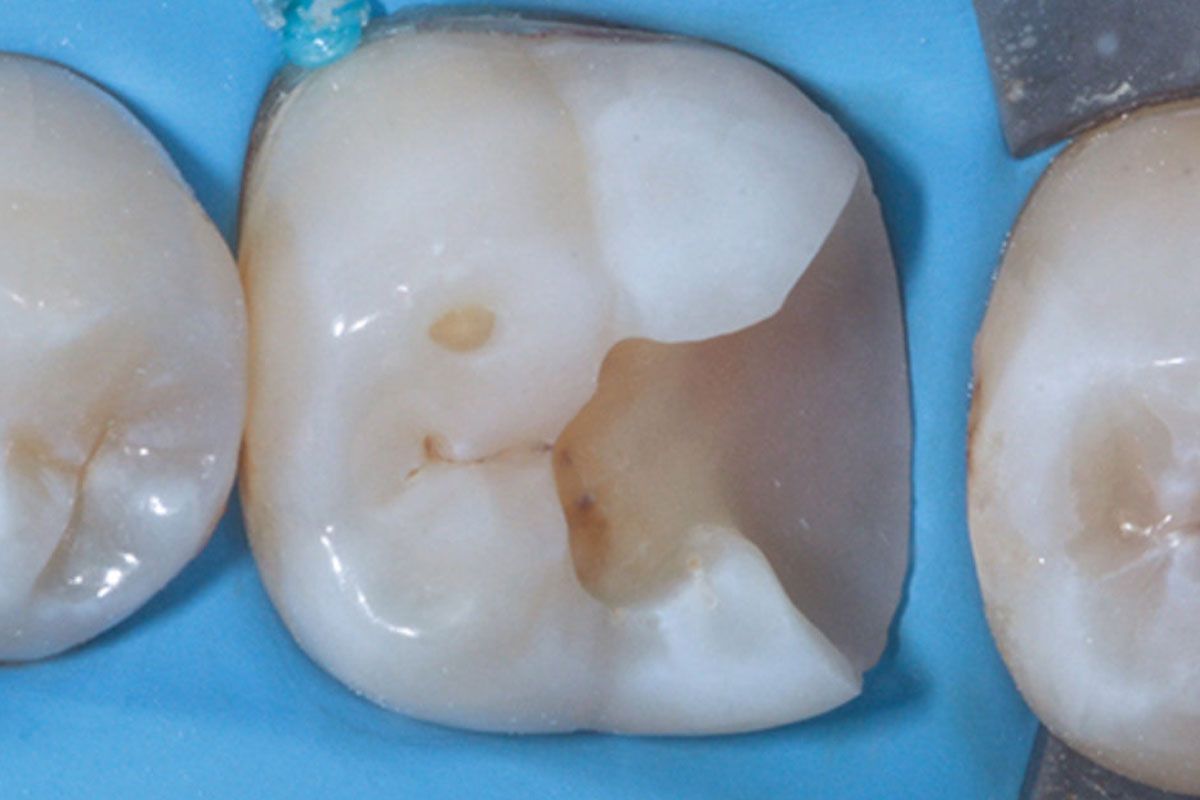
Why Traditional Dentistry Often Leads to Bigger Problems
Traditional restorative methods frequently require removing significant amounts of healthy tooth structure. Procedures like crowns may weaken the remaining tooth over time, increasing the likelihood of future complications such as cracks, sensitivity, or root canals.
In many cases, this begins what dentists call the “restorative cycle,” where teeth require progressively larger restorations throughout a patient’s life.
Biomimetic dentistry aims to stop this cycle by restoring teeth in a way that preserves their strength and vitality from the start.
Benefits of Biomimetic Dentistry
Preserves Natural Tooth Structure
Biomimetic techniques remove only the damaged portion of the tooth, preserving as much healthy enamel and dentin as possible.
Reduces the Need for Crowns
Many teeth that would traditionally require crowns can instead be restored with advanced bonded restorations that maintain more of the natural tooth.
Protects Tooth Vitality
Because less drilling is required, biomimetic dentistry helps preserve the nerve and blood supply inside the tooth, reducing the likelihood of needing a root canal.
Stronger, Longer-Lasting Restorations
Advanced bonding techniques create restorations that integrate with the tooth structure and distribute chewing forces more naturally.
Less Post-Treatment Sensitivity
By sealing and protecting dentin and minimizing trauma to the tooth, biomimetic treatments significantly reduce the risk of sensitivity after treatment.
Natural Function and Comfort
Teeth restored biomimetically chew, flex, and function more like natural teeth.
A Science-Based Approach to Restorative Dentistry
Biomimetic dentistry is not simply a philosophy—it is built on decades of research in adhesive dentistry, tooth biomechanics, and restorative materials.
The protocols taught through the Alleman Center emphasize:
Preserving pulp vitality
Treating cracks within dentin
Sealing exposed dentin immediately
Controlling stresses that weaken restorations
Bonding restorations securely to enamel and dentin
These techniques allow dentists to restore teeth in a way that supports their
long-term health and durability.
How It Works
Biomimetic Restorations
Biomimetic treatment typically involves several important steps designed to restore the tooth from the inside out.
We carefully evaluate the tooth to identify cracks, decay, and structural weaknesses.
Precise Diagnosis
Only the compromised portions of the tooth are removed, preserving healthy structure.
Conservative Removal of Damage
Advanced bonding techniques seal and protect the dentin, preventing bacteria from entering the tooth.
Immediate Sealing of the Tooth
Specialized materials are used to rebuild the tooth in layers that mimic the strength and flexibility of natural tooth structure.
Rebuilding the Tooth in Layers
The result is a restoration designed to function like your natural tooth while protecting it from future damage.
Final Restoration
Why This Matters for Your
Long-Term Health
Your natural teeth are incredibly strong and biologically complex. Once large portions of a tooth are removed, it becomes more vulnerable to fracture and failure.
Biomimetic dentistry focuses on
protecting what nature gave you, allowing your teeth to remain healthier and stronger for years to come.

For many patients, this approach means:
Fewer crowns
Fewer root canals
Longer-lasting restorations
Healthier teeth overall
Is Biomimetic Dentistry Right for You?
Biomimetic dentistry can often be used to treat:
Cavities
Cracked teeth
Worn teeth
Large failing fillings
Teeth that would traditionally require crowns
If you are looking for a more conservative and biologically focused approach to restoring your teeth, biomimetic dentistry may be an excellent option.
Experience a More Natural Approach
to Dentistry
Our team is committed to providing advanced, biologically focused care that prioritizes the preservation of your
natural teeth.
If you would like to learn more about biomimetic dentistry or find out if you are a candidate for this type of treatment, we would be happy to discuss your options.
Schedule a consultation today to discover how this innovative approach
can help protect and restore your smile.
Why Trust Tetrahealth for Biomimetic Dentistry
Biomimetic dentistry at Tetrahealth is led by Dr. Rowan Pereira, who trained in India before completing a residency at NYU and earning a DMD at Temple University. Dr. Pereira specializes in biomimetic and reconstructive dentistry, blending Eastern and Western techniques to restore teeth as conservatively as possible.
Rather than simply filling or capping a damaged tooth, our biomimetic protocols preserve pulp vitality, seal exposed dentin immediately, and bond restorations directly to your enamel and dentin, supporting the long-term strength and health of your natural teeth.
Faq
Frequently Asked Questions
Is biomimetic dentistry more expensive than a regular filling or crown?
Biomimetic treatments can cost somewhat more upfront than a traditional filling or crown because they use advanced bonding techniques and materials. However, by preserving healthy tooth structure and reducing the risk of future root canals or crowns, biomimetic dentistry often saves patients money and additional treatment over the life of the tooth.
Does biomimetic dentistry hurt more or take longer than a regular filling?
No. The procedure is done under local anesthesia just like a standard filling. Because biomimetic techniques are gentler on the tooth and seal the dentin immediately, most patients experience less post-treatment sensitivity, even though the appointment may take a bit longer due to the precision involved.
Is biomimetic dentistry covered by insurance?
Many insurance plans cover biomimetic treatments at the same rate as a comparable filling or crown. Our team can review your benefits and walk you through costs during your consultation.
Can biomimetic dentistry fix a tooth that already has a large filling or crown?
Yes. If an old filling or crown fails or decay develops underneath it, biomimetic techniques can often restore the tooth conservatively, replacing only the compromised restoration rather than removing additional healthy structure.
How long do biomimetic restorations last?
With proper oral hygiene and regular checkups, biomimetic restorations are designed to last as long as or longer than traditional restorations, since preserving the tooth's natural flexibility helps the bond stay intact and reduces the risk of cracks or failure.
Who is a good candidate for biomimetic dentistry?
Patients with cavities, cracked or worn teeth, large failing fillings, or teeth that would traditionally require a crown are often excellent candidates. Schedule a consultation so we can evaluate your specific tooth and recommend the most conservative option.
Stay in The Loop
Be the first to receive invitations to our educational webinars, holistic oral health tips, and occasional practice updates—thoughtfully created to support your overall wellness.
