Biomimetic Dentistry in NYC: A Tooth-Preserving Approach to Dental Care
Biomimetic Dentistry in NYC: A Tooth-Preserving Approach to Dental Care
When a tooth is damaged, cracked, decayed, or weakened, many patients assume the only options are a large filling, a crown, a root canal, or extraction. But modern dentistry has evolved. Today, more conservative treatment options may be available for patients who want to preserve as much of their natural tooth structure as possible.
That is where biomimetic dentistry comes in.
Biomimetic dentistry is a tooth-preserving approach that aims to restore damaged teeth in a way that mimics the natural structure, strength, and function of the original tooth. Instead of removing more tooth structure than necessary, biomimetic dentistry focuses on conserving healthy enamel and dentin while rebuilding the tooth with advanced bonding techniques and tooth-colored materials.
For patients in NYC who are interested in minimally invasive, biological, and long-term dental care, biomimetic dentistry may offer a more conservative alternative to traditional restorative treatment.
What Is Biomimetic Dentistry?
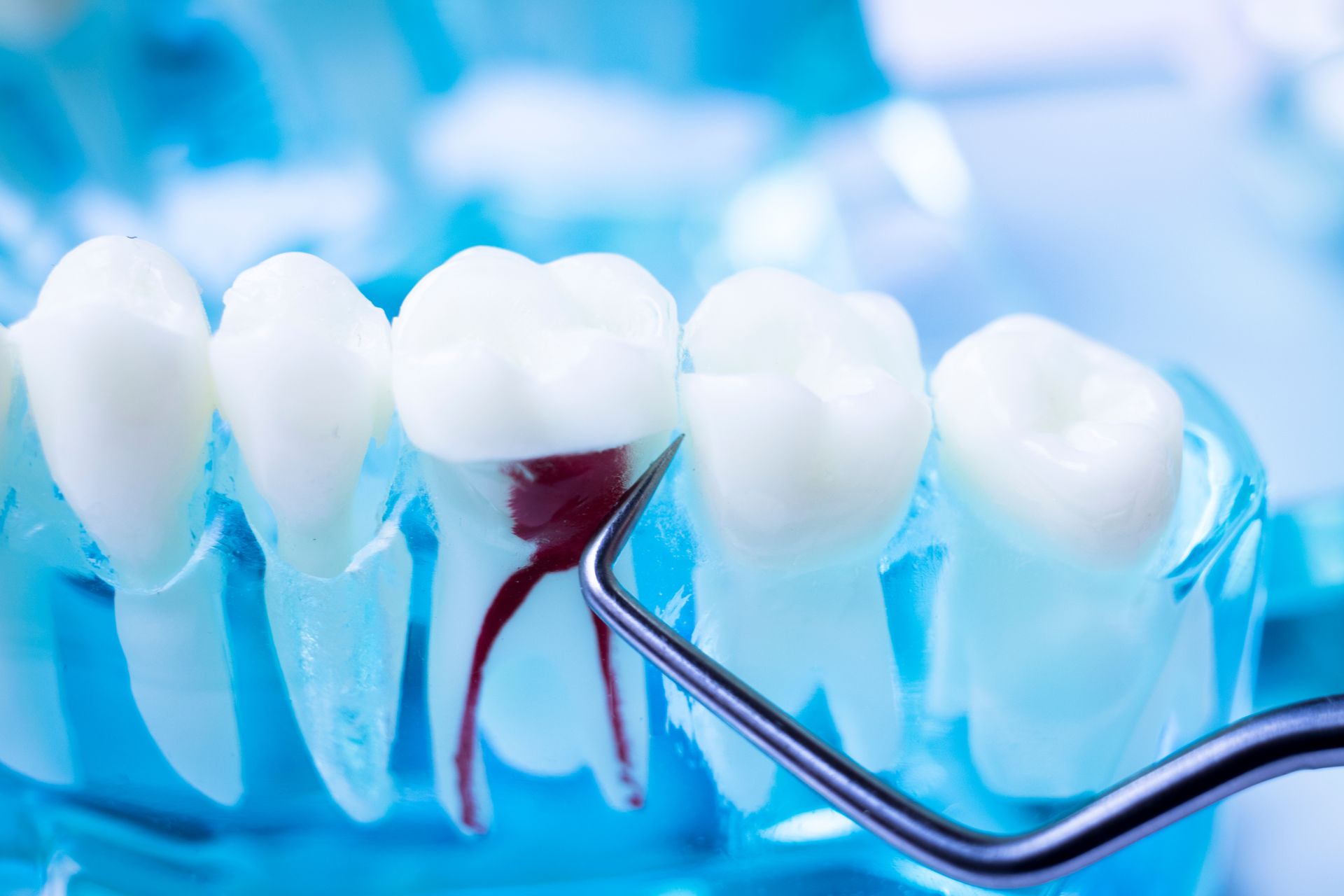
A natural tooth is not a solid block. It is made of different layers, including hard enamel on the outside and more flexible dentin underneath. These layers work together to absorb chewing forces, protect the nerve, and maintain strength over time.
When a tooth is restored biomimetically, the goal is to rebuild the missing or damaged tooth structure in a way that respects this natural design. That may involve using adhesive bonding, layered composite, ceramic restorations, inlays, onlays, or other conservative techniques to strengthen the tooth without unnecessary removal of healthy structure.
In simple terms, biomimetic dentistry asks:
How can we repair this tooth while keeping it as close to natural as possible?
How Biomimetic Dentistry Is Different From Traditional Dentistry
Traditional restorative dentistry often focuses on removing damaged tooth structure and placing a restoration that protects what remains. In many cases, that may involve a crown, especially when a tooth has a large cavity, fracture, or old filling.
Crowns can be necessary and beneficial in many situations. However, a crown usually requires removing tooth structure around the entire tooth so the restoration can fit over it. For some patients, that may be more aggressive than necessary.
Biomimetic dentistry takes a more conservative approach. Rather than defaulting to a crown, the dentist evaluates whether the tooth can be restored with a bonded restoration that preserves more of the natural structure.
A biomimetic approach may help:
- Preserve more healthy enamel and dentin
- Reduce unnecessary drilling
- Strengthen weakened teeth with adhesive bonding
- Restore natural tooth function
- Reduce stress on the remaining tooth structure
- Lower the risk of future cracks or fractures in some cases
- Delay or avoid more invasive treatment when appropriate
The goal is not to avoid crowns, root canals, or extractions at all costs. Sometimes those treatments are necessary. The goal is to choose the most conservative effective treatment for the tooth’s condition.
Why Tooth Preservation Matters
Your natural teeth are designed to function in a very specific way. The enamel, dentin, nerve, root, ligament, and surrounding bone all work together. Once natural tooth structure is removed, it cannot grow back.
That is why preserving healthy tooth structure matters.
The more natural tooth structure that can be maintained, the more options a patient may have in the future. A tooth-preserving approach may help reduce the cycle of increasingly larger restorations over time.
For example, a small filling may eventually become a larger filling. A large filling may eventually become a crown. A crown may eventually need replacement, root canal treatment, or extraction if complications develop. Biomimetic dentistry aims to slow this cycle by preserving and reinforcing the natural tooth whenever possible.
For patients who value biological dentistry, this approach aligns with a larger philosophy: keep the body’s natural structures intact when they can be saved safely and predictably.
What Conditions Can Biomimetic Dentistry Help Treat?
Biomimetic dentistry may be used in many restorative situations, especially when the goal is to repair damage while preserving the tooth.
It may be appropriate for:
- Cavities
- Cracked teeth
- Fractured teeth
- Worn teeth
- Old or failing fillings
- Teeth with large restorations
- Teeth at risk of needing crowns
- Teeth with sensitivity from structural weakness
- Teeth damaged by grinding or clenching
- Some cases where patients want a second opinion before a crown
A biomimetic dentist will evaluate how much healthy tooth structure remains, whether the nerve is involved, whether cracks are present, and how the tooth handles bite forces.
If the tooth is too damaged, infected, or structurally compromised, a more involved treatment may be needed. But in many cases, a conservative bonded restoration may be considered.
Biomimetic Dentistry and Dental Crowns
One of the most common reasons patients explore biomimetic dentistry is because they have been told they need a dental crown.
A crown covers the entire visible portion of the tooth. This can be a strong and appropriate solution when a tooth is severely weakened. However, if enough healthy tooth structure remains, a biomimetic restoration may be able to repair the damaged area without reducing the entire tooth.
Alternatives may include:
- Bonded composite restorations
- Ceramic inlays
- Ceramic onlays
- Partial coverage restorations
- Conservative adhesive restorations
An inlay fits within the grooves of a tooth, while an onlay covers one or more cusps. These options may preserve more tooth structure than a full crown while still reinforcing damaged areas.
The right choice depends on the size of the damage, the location of the tooth, the patient’s bite, and the long-term prognosis.
Can Biomimetic Dentistry Help Avoid a Root Canal?
In some cases, biomimetic dentistry may help reduce the risk of a tooth needing root canal treatment, especially when decay or structural damage is treated early.
A root canal becomes necessary when the nerve inside the tooth is infected or irreversibly inflamed. Biomimetic dentistry cannot reverse every nerve problem, and it cannot save every tooth from needing a root canal.
However, by using conservative techniques, sealing the tooth well, and preserving healthy structure, biomimetic treatment may help protect the nerve in certain cases.
This is especially important for deep cavities or cracked teeth. A well-sealed bonded restoration can help reduce bacterial leakage and support the remaining tooth structure. Early diagnosis is key. The sooner a damaged tooth is evaluated, the more conservative the treatment options may be.
Biomimetic Dentistry and Biological Dentistry
Biomimetic dentistry and biological dentistry are not exactly the same, but they often work well together.
Biomimetic dentistry focuses on preserving and restoring the tooth in a way that mimics natural structure and function.
Biological dentistry looks at oral health through a whole-body lens, considering factors such as inflammation, materials, oral bacteria, immune response, and the relationship between the mouth and overall wellness.
Together, these approaches can support a more conservative and health-conscious model of care.
For example, a biological dentist may consider whether a material is biocompatible, whether there are sources of inflammation in the mouth, and how a treatment plan affects the patient’s overall health. A biomimetic approach may then help restore damaged teeth while preserving natural structure and minimizing unnecessary intervention.
For patients looking for a holistic or biological dentist in NYC, biomimetic dentistry can be an important part of a tooth-preserving treatment philosophy.
Benefits of Biomimetic Dentistry
Biomimetic dentistry may offer several benefits for the right patient and the right tooth.
Potential benefits include:
- Preserves more natural tooth structure
- Uses conservative treatment whenever possible
- Helps strengthen weakened teeth
- May reduce the need for full crowns in some cases
- Supports natural tooth function
- Uses tooth-colored restorative materials
- May reduce stress and cracking in the remaining tooth
- Aligns with minimally invasive dental care
- Supports long-term tooth preservation
- May help delay more aggressive treatment
Patients often appreciate that biomimetic dentistry is focused on saving as much of the natural tooth as possible instead of automatically replacing it with a larger restoration.
Is Biomimetic Dentistry Right for Everyone?
Biomimetic dentistry is not a one-size-fits-all solution. Some teeth are too damaged to restore conservatively. If a tooth has extensive decay, severe infection, advanced fracture, or inadequate remaining structure, other treatments may be necessary.
You may need a crown, root canal, extraction, implant, or another treatment if the tooth cannot be predictably preserved.
That is why diagnosis matters. A biomimetic dentist will evaluate whether the tooth can be saved in a conservative way or whether a different treatment would offer a better long-term outcome.
The best approach is the one that protects your health, function, comfort, and long-term dental stability.
Who Should Consider Biomimetic Dentistry in NYC?
You may want to consider biomimetic dentistry if you:
- Have been told you need a crown
- Have a cracked or weakened tooth
- Have a large old filling
- Want to preserve your natural teeth
- Prefer minimally invasive dental care
- Are interested in biological or holistic dentistry
- Want a second opinion before major dental treatment
- Have recurring problems with old restorations
- Want tooth-colored, natural-looking dental work
- Are trying to avoid unnecessary removal of healthy tooth structure
Biomimetic dentistry may be especially appealing for patients who want treatment that is conservative, functional, aesthetic, and aligned with whole-body wellness.
Biomimetic Dentistry at Tetra Health
For patients in NYC, biomimetic dentistry may offer a conservative way to repair damaged teeth while maintaining more of the tooth’s natural strength and structure. Whether you have a cavity, cracked tooth, failing restoration, or have been told you need a crown, a biomimetic evaluation can help determine whether a less invasive option may be appropriate.
Every tooth is different. Our team evaluates your oral health, bite, symptoms, dental history, and overall wellness goals before recommending treatment.
Schedule a Biomimetic Dentistry Consultation in NYC
If you are looking for a more conservative way to restore a damaged tooth, biomimetic dentistry may be worth exploring.
By mimicking the natural structure and function of teeth, biomimetic dentistry focuses on preserving what is healthy, repairing what is damaged, and supporting long-term oral health.
FAQs About Biomimetic Dentistry in NYC
What is biomimetic dentistry?
Biomimetic dentistry is a tooth-preserving approach that restores damaged teeth in a way that mimWhen a tooth is damaged, cracked, decayed, or weakened, many patients assume the only options are a large filling, a crown, a root canal, or extraction. But modern dentistry has evolved. Today, more conservative treatment options may be available for patients who want to preserve as much of their natural tooth structure as possible.
That is where biomimetic dentistry comes in.
Biomimetic dentistry is a tooth-preserving approach that aims to restore damaged teeth in a way that mimics the natural structure, strength, and function of the original tooth. Instead of removing more tooth structure than necessary, biomimetic dentistry focuses on conserving healthy enamel and dentin while rebuilding the tooth with advanced bonding techniques and tooth-colored materials.
For patients in NYC who are interested in minimally invasive, biological, and long-term dental care, biomimetic dentistry may offer a more conservative alternative to traditional restorative treatment.
What Is Biomimetic Dentistry?
The word “biomimetic” means to mimic nature. In dentistry, biomimetic care is designed to restore teeth in a way that closely resembles how natural teeth are built and how they function.
A natural tooth is not a solid block. It is made of different layers, including hard enamel on the outside and more flexible dentin underneath. These layers work together to absorb chewing forces, protect the nerve, and maintain strength over time.
When a tooth is restored biomimetically, the goal is to rebuild the missing or damaged tooth structure in a way that respects this natural design. That may involve using adhesive bonding, layered composite, ceramic restorations, inlays, onlays, or other conservative techniques to strengthen the tooth without unnecessary removal of healthy structure.
In simple terms, biomimetic dentistry asks:
How can we repair this tooth while keeping it as close to natural as possible?
How Biomimetic Dentistry Is Different From Traditional Dentistry
Traditional restorative dentistry often focuses on removing damaged tooth structure and placing a restoration that protects what remains. In many cases, that may involve a crown, especially when a tooth has a large cavity, fracture, or old filling.
Crowns can be necessary and beneficial in many situations. However, a crown usually requires removing tooth structure around the entire tooth so the restoration can fit over it. For some patients, that may be more aggressive than necessary.
Biomimetic dentistry takes a more conservative approach. Rather than defaulting to a crown, the dentist evaluates whether the tooth can be restored with a bonded restoration that preserves more of the natural structure.
A biomimetic approach may help:
- Preserve more healthy enamel and dentin
- Reduce unnecessary drilling
- Strengthen weakened teeth with adhesive bonding
- Restore natural tooth function
- Reduce stress on the remaining tooth structure
- Lower the risk of future cracks or fractures in some cases
- Delay or avoid more invasive treatment when appropriate
The goal is not to avoid crowns, root canals, or extractions at all costs. Sometimes those treatments are necessary. The goal is to choose the most conservative effective treatment for the tooth’s condition.
Why Tooth Preservation Matters
Your natural teeth are designed to function in a very specific way. The enamel, dentin, nerve, root, ligament, and surrounding bone all work together. Once natural tooth structure is removed, it cannot grow back.
That is why preserving healthy tooth structure matters.
The more natural tooth structure that can be maintained, the more options a patient may have in the future. A tooth-preserving approach may help reduce the cycle of increasingly larger restorations over time.
For example, a small filling may eventually become a larger filling. A large filling may eventually become a crown. A crown may eventually need replacement, root canal treatment, or extraction if complications develop. Biomimetic dentistry aims to slow this cycle by preserving and reinforcing the natural tooth whenever possible.
For patients who value biological dentistry, this approach aligns with a larger philosophy: keep the body’s natural structures intact when they can be saved safely and predictably.
What Conditions Can Biomimetic Dentistry Help Treat?
Biomimetic dentistry may be used in many restorative situations, especially when the goal is to repair damage while preserving the tooth.
It may be appropriate for:
- Cavities
- Cracked teeth
- Fractured teeth
- Worn teeth
- Old or failing fillings
- Teeth with large restorations
- Teeth at risk of needing crowns
- Teeth with sensitivity from structural weakness
- Teeth damaged by grinding or clenching
- Some cases where patients want a second opinion before a crown
A biomimetic dentist will evaluate how much healthy tooth structure remains, whether the nerve is involved, whether cracks are present, and how the tooth handles bite forces.
If the tooth is too damaged, infected, or structurally compromised, a more involved treatment may be needed. But in many cases, a conservative bonded restoration may be considered.
Biomimetic Dentistry and Dental Crowns
One of the most common reasons patients explore biomimetic dentistry is because they have been told they need a dental crown.
A crown covers the entire visible portion of the tooth. This can be a strong and appropriate solution when a tooth is severely weakened. However, if enough healthy tooth structure remains, a biomimetic restoration may be able to repair the damaged area without reducing the entire tooth.
Alternatives may include:
- Bonded composite restorations
- Ceramic inlays
- Ceramic onlays
- Partial coverage restorations
- Conservative adhesive restorations
An inlay fits within the grooves of a tooth, while an onlay covers one or more cusps. These options may preserve more tooth structure than a full crown while still reinforcing damaged areas.
The right choice depends on the size of the damage, the location of the tooth, the patient’s bite, and the long-term prognosis.
Can Biomimetic Dentistry Help Avoid a Root Canal?
In some cases, biomimetic dentistry may help reduce the risk of a tooth needing root canal treatment, especially when decay or structural damage is treated early.
A root canal becomes necessary when the nerve inside the tooth is infected or irreversibly inflamed. Biomimetic dentistry cannot reverse every nerve problem, and it cannot save every tooth from needing a root canal.
However, by using conservative techniques, sealing the tooth well, and preserving healthy structure, biomimetic treatment may help protect the nerve in certain cases.
This is especially important for deep cavities or cracked teeth. A well-sealed bonded restoration can help reduce bacterial leakage and support the remaining tooth structure. Early diagnosis is key. The sooner a damaged tooth is evaluated, the more conservative the treatment options may be.
Biomimetic Dentistry and Biological Dentistry
Biomimetic dentistry and biological dentistry are not exactly the same, but they often work well together.
Biomimetic dentistry focuses on preserving and restoring the tooth in a way that mimics natural structure and function.
Biological dentistry looks at oral health through a whole-body lens, considering factors such as inflammation, materials, oral bacteria, immune response, and the relationship between the mouth and overall wellness.
Together, these approaches can support a more conservative and health-conscious model of care.
For example, a biological dentist may consider whether a material is biocompatible, whether there are sources of inflammation in the mouth, and how a treatment plan affects the patient’s overall health. A biomimetic approach may then help restore damaged teeth while preserving natural structure and minimizing unnecessary intervention.
For patients looking for a holistic or biological dentist in NYC, biomimetic dentistry can be an important part of a tooth-preserving treatment philosophy.
Benefits of Biomimetic Dentistry
Biomimetic dentistry may offer several benefits for the right patient and the right tooth.
Potential benefits include:
- Preserves more natural tooth structure
- Uses conservative treatment whenever possible
- Helps strengthen weakened teeth
- May reduce the need for full crowns in some cases
- Supports natural tooth function
- Uses tooth-colored restorative materials
- May reduce stress and cracking in the remaining tooth
- Aligns with minimally invasive dental care
- Supports long-term tooth preservation
- May help delay more aggressive treatment
Patients often appreciate that biomimetic dentistry is focused on saving as much of the natural tooth as possible instead of automatically replacing it with a larger restoration.
What to Expect During a Biomimetic Dental Visit
A biomimetic dental visit begins with a careful evaluation. The dentist will examine the tooth, review symptoms, assess old restorations, and evaluate the bite. Digital imaging, photography, or other diagnostic tools may be used to understand the extent of the damage.
Your dentist may look for:
- Decay
- Cracks
- Fractures
- Old filling failure
- Bite stress
- Tooth sensitivity
- Signs of nerve involvement
- Remaining healthy enamel and dentin
- Gum and bone support
If biomimetic treatment is appropriate, the damaged or decayed portion of the tooth is removed as conservatively as possible. The tooth is then restored using adhesive bonding techniques designed to seal and reinforce the remaining structure.
Depending on the case, the restoration may be completed directly in the mouth with composite material or indirectly with a custom ceramic inlay or onlay.
Is Biomimetic Dentistry Right for Everyone?
Biomimetic dentistry is not a one-size-fits-all solution. Some teeth are too damaged to restore conservatively. If a tooth has extensive decay, severe infection, advanced fracture, or inadequate remaining structure, other treatments may be necessary.
You may need a crown, root canal, extraction, implant, or another treatment if the tooth cannot be predictably preserved.
That is why diagnosis matters. A biomimetic dentist will evaluate whether the tooth can be saved in a conservative way or whether a different treatment would offer a better long-term outcome.
The best approach is the one that protects your health, function, comfort, and long-term dental stability.
Who Should Consider Biomimetic Dentistry in NYC?
You may want to consider biomimetic dentistry if you:
- Have been told you need a crown
- Have a cracked or weakened tooth
- Have a large old filling
- Want to preserve your natural teeth
- Prefer minimally invasive dental care
- Are interested in biological or holistic dentistry
- Want a second opinion before major dental treatment
- Have recurring problems with old restorations
- Want tooth-colored, natural-looking dental work
- Are trying to avoid unnecessary removal of healthy tooth structure
Biomimetic dentistry may be especially appealing for patients who want treatment that is conservative, functional, aesthetic, and aligned with whole-body wellness.
Biomimetic Dentistry at Tetra Health
At Tetra Health, our approach to dental care is rooted in biological dentistry, oral-systemic health, and tooth preservation. We believe that preserving natural teeth whenever possible is an important part of long-term wellness.
For patients in NYC, biomimetic dentistry may offer a conservative way to repair damaged teeth while maintaining more of the tooth’s natural strength and structure. Whether you have a cavity, cracked tooth, failing restoration, or have been told you need a crown, a biomimetic evaluation can help determine whether a less invasive option may be appropriate.
Every tooth is different. Our team evaluates your oral health, bite, symptoms, dental history, and overall wellness goals before recommending treatment.
Schedule a Biomimetic Dentistry Consultation in NYC
If you are looking for a more conservative way to restore a damaged tooth, biomimetic dentistry may be worth exploring.
By mimicking the natural structure and function of teeth, biomimetic dentistry focuses on preserving what is healthy, repairing what is damaged, and supporting long-term oral health.
FAQs About Biomimetic Dentistry in NYC
What is biomimetic dentistry?
Biomimetic dentistry is a tooth-preserving approach that restores damaged teeth in a way that mimics natural tooth structure, strength, and function.
Is biomimetic dentistry the same as holistic dentistry?
No, but they can work together. Biomimetic dentistry focuses on preserving and restoring natural tooth structure. Holistic or biological dentistry considers oral health in relation to the whole body, including materials, inflammation, and systemic wellness.
Can biomimetic dentistry prevent crowns?
In some cases, biomimetic restorations may be used instead of full crowns. However, crowns are still necessary for some teeth, especially when there is extensive damage or insufficient remaining structure.
Can biomimetic dentistry help avoid root canals?
Sometimes, early conservative treatment may help protect the tooth and reduce the risk of needing more invasive care. However, if the nerve is infected or irreversibly inflamed, a root canal may still be necessary.
What materials are used in biomimetic dentistry?
Biomimetic dentistry often uses tooth-colored composite, ceramic, adhesive bonding systems, inlays, onlays, or partial coverage restorations, depending on the case.
Is biomimetic dentistry good for cracked teeth?
It can be helpful for certain cracked teeth, especially when the crack is diagnosed early and the tooth still has enough healthy structure. Severe cracks may require a crown, root canal, or extraction.
Is biomimetic dentistry available in NYC?
Yes. Patients seeking biomimetic dentistry in NYC can schedule an evaluation to determine whether a conservative, tooth-preserving restoration is appropriate.
Who is a good candidate for biomimetic dentistry?
Good candidates are patients with damaged, decayed, cracked, or weakened teeth who still have enough healthy structure to support a conservative restoration. A dental evaluation is needed to confirm candidacy.
ics natural tooth structure, strength, and function.
Is biomimetic dentistry the same as holistic dentistry?
No, but they can work together. Biomimetic dentistry focuses on preserving and restoring natural tooth structure. Holistic or biological dentistry considers oral health in relation to the whole body, including materials, inflammation, and systemic wellness.
Can biomimetic dentistry prevent crowns?
In some cases, biomimetic restorations may be used instead of full crowns. However, crowns are still necessary for some teeth, especially when there is extensive damage or insufficient remaining structure.
Can biomimetic dentistry help avoid root canals?
Sometimes, early conservative treatment may help protect the tooth and reduce the risk of needing more invasive care. However, if the nerve is infected or irreversibly inflamed, a root canal may still be necessary.
What materials are used in biomimetic dentistry?
Biomimetic dentistry often uses tooth-colored composite, ceramic, adhesive bonding systems, inlays, onlays, or partial coverage restorations, depending on the case.
Is biomimetic dentistry good for cracked teeth?
It can be helpful for certain cracked teeth, especially when the crack is diagnosed early and the tooth still has enough healthy structure. Severe cracks may require a crown, root canal, or extraction.
Is biomimetic dentistry available in NYC?
Yes. Patients seeking biomimetic dentistry in NYC can schedule an evaluation to determine whether a conservative, tooth-preserving restoration is appropriate.
Who is a good candidate for biomimetic dentistry?
Good candidates are patients with damaged, decayed, cracked, or weakened teeth who still have enough healthy structure to support a conservative restoration. A dental evaluation is needed to confirm candidacy.