Holistic Dentist: A Complete Guide to Whole-Body Dental Care
Holistic Dentist: A Complete Guide to Whole-Body Dental Care
For many patients, dentistry has traditionally focused on isolated treatments, such as cavity repair, tooth restoration, and pain management. However, there is growing interest in understanding how oral health influences overall body health.
An integrated perspective is central to holistic dentistry.
A holistic dentist views the mouth as an integral part of the body's larger biological system. Rather than treating teeth and gums in isolation, holistic dentistry considers how oral inflammation, infection, airway function, material biocompatibility, bite alignment, and chronic stress may collectively impact systemic health. This approach recognizes the close relationships between oral health, the immune system, nervous system, sleep patterns, digestive function, and overall systemic inflammation.
For individuals who prioritize prevention, biocompatible treatments, minimally invasive procedures, and a comprehensive understanding of their health,
holistic dentistry offers a distinct approach compared to purely conventional models.
What Is a Holistic Dentist?
A holistic dentist is a dental professional who provides diagnosis and treatment with an awareness of the connection between oral health and whole-body wellness. In many holistic practices, this includes a focus on several key areas:
The use of biocompatible dental materials.- A commitment to minimally invasive treatment methods.
- Strategies for reducing chronic oral inflammation.
- Safe protocols for removing mercury amalgam restorations.
- Comprehensive airway and breathing evaluation.
- Consideration of nutritional and lifestyle factors that influence oral disease.
- Prioritizing the preservation of natural tooth structure and surrounding tissues.
Holistic dentistry may also be referred to as biologic, biological, or functional dentistry. While these terms are sometimes used interchangeably, individual practices may emphasize different aspects.
At its core, holistic dentistry is a more comprehensive philosophy of care that seeks to understand the long-term health implications, root causes of dental issues, and the biological effects of dental treatments.
How Holistic Dentistry Differs From Conventional Dentistry
Conventional dentistry has provided essential care to millions and remains vital in many clinical situations. However, like other healthcare disciplines, it has historically prioritized certain treatment outcomes.
Traditional dentistry often focuses on structural repair: removing decay, restoring teeth, addressing infections, and managing bite issues. Holistic dentistry incorporates these same objectives but expands the scope of inquiry.
A holistic dentist may ask broader questions, such as:
What underlying factors contributed to this patient's chronic inflammation?- Could breathing patterns, airway restrictions, or mouth breathing influence their oral health?
- Are the dental materials used well-tolerated by this patient's unique biology?
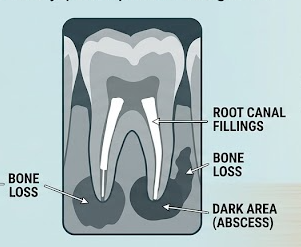
- Could a root canal tooth, cavitation, or unaddressed infection contribute to systemic stress?
- Can this dental problem be addressed with more conservative interventions?
- How do the bite, jaw structure, or oral microbiome impact overall body health?
Many patients seek a holistic or biological dentist because they want a practitioner who considers the broader context of their health beyond immediate dental symptoms.
What Services Does a Holistic Dentist Typically Offer?
Holistic dentistry encompasses a variety of services that can vary depending on the doctor's training and practice focus. Common treatments and evaluations often include:
Biocompatible Restorative Dentistry
Holistic dentists often select materials based on their compatibility with the body, carefully considering long-term biological effects.
Safe mercury amalgam removal (SMART) is a recognized service in holistic dentistry. This process adheres to strict protocols designed to minimize mercury vapor exposure during removal procedures.
Airway and Functional Evaluation
A holistic dentist may assess how factors like tongue posture, jaw development, breathing patterns, and sleep quality relate to both oral and systemic health.
Treatment of Chronic Inflammation and Infection
This may involve advanced diagnostic approaches for periodontal disease, infected root canal teeth, cavitations (bone defects), or unresolved jawbone pathology.
Ozone Therapy and Supportive Healing Modalities
Some biologic dental practices incorporate ozone therapy and other adjunctive treatments to support tissue healing and reduce microbial load.
Zirconia and Metal-Free Restorations
For patients with sensitivities or those seeking more biologically compatible options, metal-free restorations, such as zirconia-based restorations, are often available.
Why Patients Seek Out a Holistic Dentist
Many patients begin searching for a holistic dentist when they sense that traditional dentistry has not fully addressed their health concerns.
Some individuals may be dealing with chronic periodontal inflammation, recurring dental issues, or systemic fatigue and immune concerns that they suspect are connected to their oral health. Others desire a more thorough evaluation before proceeding with treatments like root canals, extractions, extensive restorative work, or mercury amalgam removal. Additionally, some patients are interested in a proactive, preventive approach to dentistry that aligns with their overall health philosophy.
Common reasons patients seek out a holistic dentist include:
Concerns about the presence of mercury fillings.- Interest in dental materials that are biocompatible with their body.
- A history of chronic inflammation or autoimmune conditions.
- Persisting unresolved symptoms following dental procedures.
- Seeking airway-focused or functional dental treatment.
- A preference for minimally invasive dental care.
- Concerns about infected root canals or undiagnosed dental infections.
- A desire for a whole-body, preventive approach to healthcare.
For well-informed patients, the appeal of holistic dentistry is not a rejection of conventional care, but rather an expansion of the standard of care to incorporate biology, systemic health, and individualized treatment planning.
Is Holistic Dentistry Evidence-Based?
Patients should seek a clear understanding of the scientific basis behind any treatment philosophy.
The most effective holistic dentistry is both biologically informed and clinically rigorous. It relies on scientific understanding, appropriate diagnostics, thoughtful case selection, and evidence-based treatment planning, all while considering the patient as a whole person.
Not every claim associated with "holistic" healthcare is equally supported by scientific evidence. Therefore,
the dentist's training, clinical judgment, and philosophical approach are critical.
Patients should look for a holistic dentist who is calm, methodical, transparent, and able to discuss the potential benefits and limitations of treatments honestly.
Who Is a Good Candidate for Holistic Dentistry?
Holistic dentistry may be particularly beneficial for patients who:
Desire to understand the intricate connection between their oral and systemic wellness.
Prefer dental treatments that are minimally invasive and biologically respectful.
Have specific concerns regarding dental materials used in their care.
Are interested in metal-free or other biocompatible treatment options.
Experience chronic inflammation, periodontal disease, or suspected oral-systemic health issues.
Seek a comprehensive evaluation of their sleep, airway function, or jaw alignment.
Are you seeking a second opinion regarding root canal treatments, cavitations, or complex restorative procedures?
Beyond these specific considerations, holistic dentistry can also be a suitable choice for anyone seeking a more intentional and comprehensive approach to their dental health.
We consider how oral health impacts the entire individual.
Connect with experts.