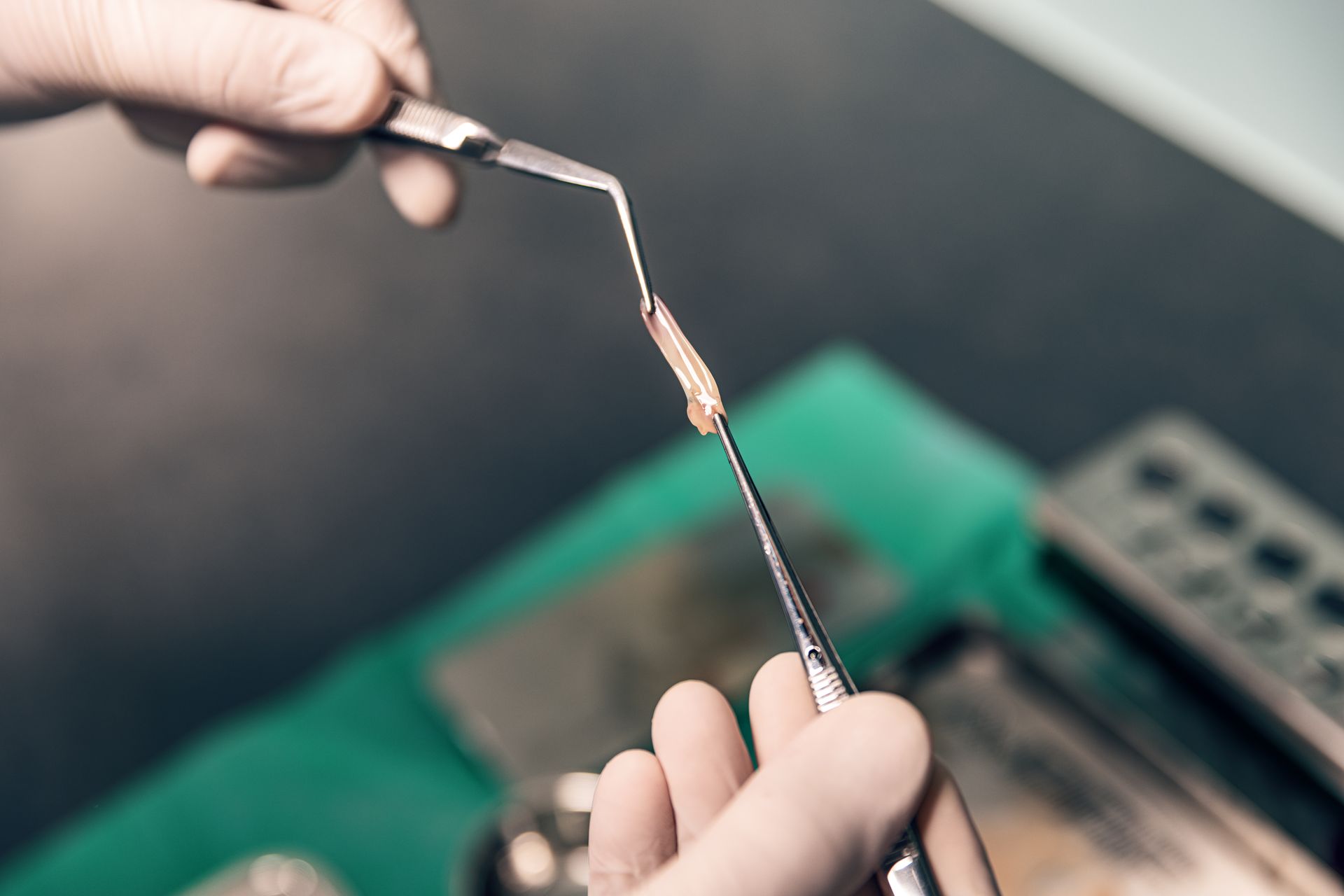
SMART Mercury Removal: Why Safe Amalgam Removal Matters in Biologic Dentistry
SMART Mercury Removal
For more than a century, silver-colored dental fillings were considered a standard treatment for cavities.
Millions of patients received these restorations, often without giving much thought to the materials being placed in their mouths. At the time, durability and longevity were primary considerations, and dental amalgam fillings became a common solution for restoring damaged teeth.
Today, however, many patients are asking different questions.
What materials are being used in my dental treatment?
Are they biocompatible?
How do they interact with the body over time?
Could older restorations be influencing my overall health?
These questions have contributed to growing interest in biologic dentistry and a treatment approach known as SMART Mercury Removal.
At TetraHealth Dentistry, we believe patients deserve access to comprehensive information about the materials used in their care. We also believe that any decision involving dental restorations should be based on careful evaluation, personalized treatment planning, and an understanding of the patient's overall health goals.
Understanding Dental Amalgam
Dental amalgam has been used for well over a hundred years and earned its popularity because of its strength, affordability, and durability.
Despite being commonly referred to as "silver fillings," dental amalgam is actually a mixture of several metals. One of its primary components is mercury, which is combined with other metals to create a durable restorative material. For many years, amalgam was considered the standard of care for restoring posterior teeth because of its ability to withstand chewing forces.
While many amalgam restorations continue to function successfully, advancements in dental materials have created new options that offer improved aesthetics, enhanced biocompatibility, and more conservative treatment approaches.
As dentistry has evolved, so too have conversations about the materials placed within the oral environment.
A Changing Perspective on Dental Materials
Modern dentistry is increasingly focused on understanding how restorative materials interact with surrounding tissues and the body as a whole.
Rather than evaluating materials solely on durability, many clinicians now consider factors such as biocompatibility, aesthetics, corrosion resistance, and long-term tissue compatibility.
This shift reflects a broader trend within healthcare.
Patients today are more informed.
They are more engaged in treatment decisions.
They want to understand not only how a procedure is performed but also why specific materials are being recommended.
Biologic dentistry embraces this patient-centered approach by carefully evaluating how restorative choices may align with an individual's overall health goals.
What Is SMART Mercury Removal?
SMART stands for Safe Mercury Amalgam Removal Technique.
Developed by the International Academy of Oral Medicine and Toxicology (IAOMT), SMART establishes specific protocols designed to minimize exposure during the removal of amalgam restorations.
The goal is not simply to remove a filling.
The goal is to perform the procedure in a manner that prioritizes safety, protection, and attention to detail.
SMART protocols involve multiple protective measures designed to reduce exposure for both patients and dental professionals throughout the removal process.
These protocols reflect a commitment to thoughtful treatment planning and careful procedural execution.
At TetraHealth Dentistry, patient safety remains a central priority whenever restorative treatment is considered.
Why Some Patients Choose Mercury Removal
Patients pursue amalgam replacement for a variety of reasons.
Some are interested in improving aesthetics by replacing dark metal restorations with tooth-colored materials.
Others are focused on upgrading older restorations that have reached the end of their functional lifespan.
Some patients are specifically interested in biocompatible treatment options that align with their broader wellness goals.
For many individuals, the decision is not based on a single factor.
It is based on a desire to better understand the materials present in their mouths and explore modern alternatives that may offer benefits in terms of appearance, compatibility, and function.
The Role of Biocompatibility
One of the defining characteristics of biologic dentistry is the emphasis on biocompatibility.
Biocompatibility refers to how well a material interacts with biological tissues.
Not all patients respond to materials in the same way.
This is why personalized treatment planning remains so important.
At TetraHealth Dentistry, treatment recommendations are made with consideration for the patient's overall health, oral condition, and long-term goals.
The objective is not simply to replace one material with another.
The objective is to select materials that support healthy function and long-term stability.
Modern Restorative Alternatives
Advances in dental technology have created a wide range of restorative materials that were not available when amalgam first became popular.
Today's restorations may include highly aesthetic ceramic materials, advanced composite resins, and other biocompatible options designed to blend naturally with surrounding teeth.
These materials often allow for more conservative treatment approaches while preserving healthy tooth structure.
In addition to aesthetics, many modern materials are designed to provide excellent durability and long-term performance.
This evolution has expanded the options available to patients seeking restorative care.
The Importance of Comprehensive Evaluation
Not every amalgam filling requires removal.
This is an important principle within biologic dentistry.
Treatment decisions should never be based on assumptions or generalized recommendations.
Instead, they should be guided by clinical findings, diagnostic information, and individualized treatment planning.
At TetraHealth Dentistry, every patient receives a comprehensive evaluation before treatment recommendations are made.
The condition of existing restorations, surrounding tooth structure, periodontal health, bite function, and overall oral health are all considered.
This careful assessment helps ensure that treatment decisions are appropriate for each patient's unique circumstances.
ROSA Screening and Personalized Care
One of the defining features of care at TetraHealth Dentistry is our ROSA Screening process.
ROSA stands for Radiographic, Oral, Salivary, and Airway Assessment.
This comprehensive evaluation helps us develop a deeper understanding of the factors influencing oral and systemic health.
Advanced imaging may be used to evaluate existing restorations, tooth structure, bone health, and potential areas of concern.
Salivary analysis and other diagnostic tools may provide additional insight into the patient's biological environment.
By gathering detailed information before treatment, we are able to create highly personalized care plans that reflect each patient's unique needs and goals.
Looking Beyond the Filling
One of the most important lessons in biologic dentistry is that treatment should never focus exclusively on a single tooth, filling, or procedure.
Every restoration exists within a much larger biological system.
Oral health is connected to overall health.
Materials interact with tissues.
Function influences stability.
Biology influences outcomes.
For this reason, treatment decisions should always be viewed within the broader context of long-term wellness.
The Future of Biologic Restorative Dentistry
As healthcare continues to evolve, patients are increasingly seeking treatment approaches that prioritize education, transparency, and personalization.
Biologic dentistry reflects this shift.
Rather than focusing solely on repairing damage, it encourages a deeper understanding of how treatment decisions influence overall wellness.
SMART Mercury Removal represents one example of this philosophy.
It combines modern protocols, advanced diagnostics, and careful treatment planning to support patients who are interested in evaluating and replacing older amalgam restorations.
At TetraHealth Dentistry, our goal is not to tell patients what decisions to make.
Our goal is to provide the information, guidance, and personalized care needed to help them make informed decisions for themselves.
The future of dentistry is not simply about better procedures.
It is about better understanding.
And that begins with taking a closer look at the materials we place in the body and the role they play in long-term health.