Gum on One Tooth Receding? What to Do About a Single Receding Gumline
Gum on One Tooth Receding? What to Do About a Single Receding Gumline
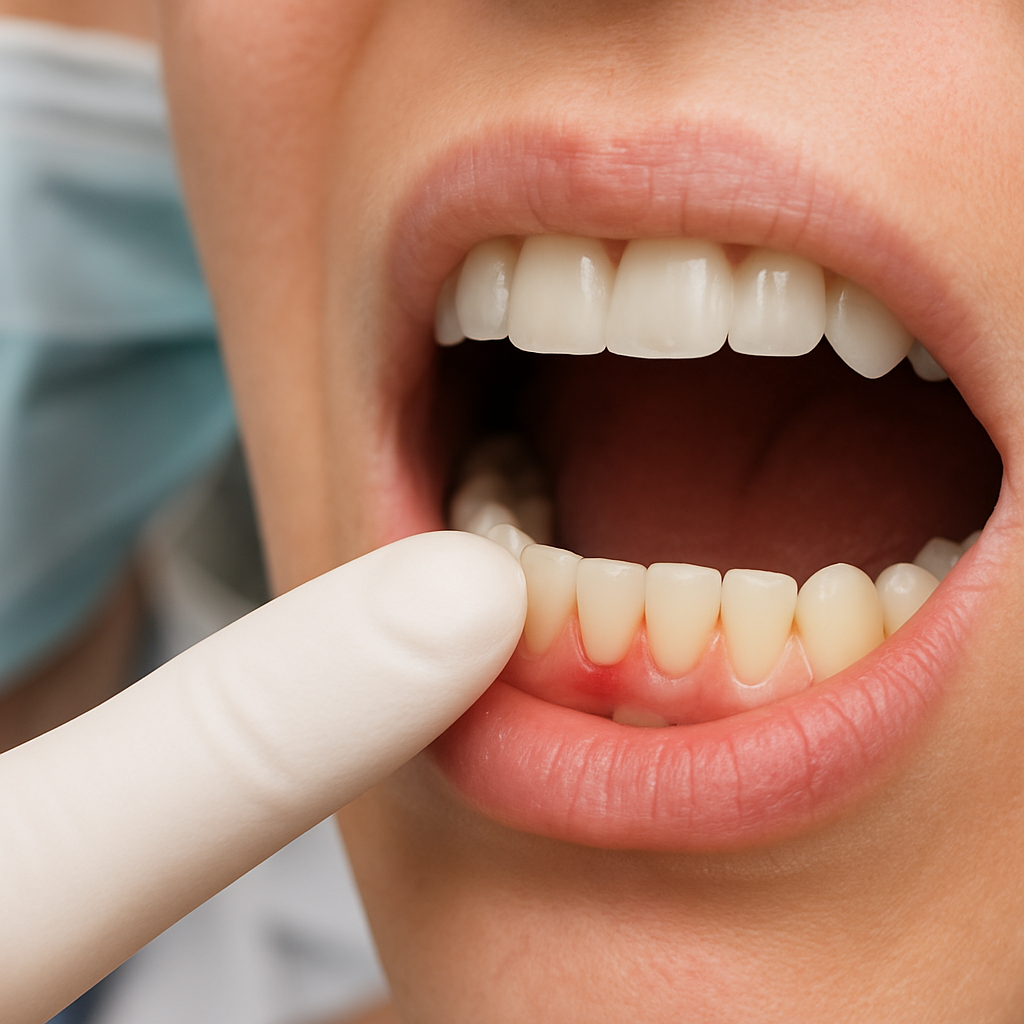
If you notice gum loss around a single tooth, you’re not alone. A single receding gumline often has a local cause and needs different care than general gum recession. This post explains how dentists diagnose the issue, common "gum recession treatment" options, ways to prevent it from coming back, and when to seek advanced biologic care.
Act sooner rather than later when a single tooth’s gum pulls back. Early treatment can stop progress, reduce sensitivity, and improve cosmetic outcomes.
Why Can Gums Recede Around Just One Tooth?
Gum recession at one tooth usually comes from a local problem rather than whole-mouth disease. Identifying the exact cause guides the right gum recession treatment.
Aggressive Brushing Or Flossing
Hard brushing or a vertical scrubbing motion can wear away gum tissue at one spot, especially if the tooth’s root is exposed or the gum is thin.
Localized Periodontitis Or An Active Infection
Sometimes bacteria target one tooth because of a deep pocket, failed filling, or root problem. That localized infection can cause bone and gum loss around that single tooth.
Tooth Position, Thin Gum/Bone Biotype, Or Frenulum Pull
Teeth that sit forward, tilt, or have thin gum and bone are more likely to show recession. A tight frenulum (lip or tongue attachment) can tug on the gum at one tooth and pull it down.
Trauma, Illicit Habits, Or Bite/Occlusal Trauma
Injury, piercing use, nail biting, or a high bite force on one tooth can injure the gum and supporting bone, leading to localized recession.
Signs And Symptoms To Watch For
- Sensitivity to cold, hot, or sweet at one tooth
- Visible root surface or a longer-looking tooth
- Dark triangle or gap between teeth at the gumline
- Redness, bleeding, or swelling near the affected tooth
Seek urgent care if recession is rapid, if you have severe pain, pus, or if the tooth feels loose. Those signs can mean active infection or frame-shifting bone loss that needs prompt gum recession treatment.
How A Dentist Diagnoses Single-Tooth Recession
A dentist or periodontist will do a focused exam and tests to map the problem and plan gum recession treatment.
Common steps:
- Clinical probing to measure pocket depth and recession millimeters
- Mobility and sensitivity testing to check tooth stability and nerve exposure
- Digital x-rays and, when bone loss is suspected, a CBCT scan for 3D detail
When a persistent localized infection is suspected, salivary or microbiome testing (like OralDNA®) can identify specific bacteria guiding targeted therapy.
Non-Surgical Gum Recession Treatment Options For One Tooth
Conservative care often starts first for single-tooth recession. These steps can stop progression and reduce symptoms without surgery.
- Change brushing technique to a soft-bristle brush and a gentle, modified Bass stroke
- Desensitizing agents or varnishes to manage root sensitivity
- Occlusal adjustment or a night guard to reduce grinding and traumatic bite forces
- Scaling and root planing for local plaque and calculus removal
- Localized antibiotics, ozone therapy, or laser-assisted periodontal therapy to control infection
Minimally invasive lasers and soft-tissue stimulation can help in select cases. Conservative approaches are commonly used before recommending surgical gum recession treatment.
Surgical And Regenerative Gum Recession Treatment Options For A Single Tooth
If the defect is large, or the goal is improved root coverage and aesthetics, surgical options can restore tissue and protect the root.
Common procedures:
- Connective tissue graft — tissue taken usually from the palate to thicken tissue and cover the root; high predictability for root coverage
- Free gingival graft — used when extra width of tough tissue is needed at the site
- Tunnel technique — a less invasive method to place graft tissue under the gum for improved aesthetics
Biologic adjuncts such as platelet-rich fibrin (PRF) are often used to speed healing and improve outcomes. Options include autografts (your own tissue) or allografts/xenografts (donor tissues); autografts avoid graft rejection but require a second site, while graft materials reduce donor-site issues.
Healing typically takes a few weeks to months for tissue maturation. Expect improved appearance and reduced sensitivity, but long-term success depends on controlling the original cause and proper maintenance.
How To Prevent Recession From Returning At That Tooth
After treatment, prevention focuses on removing the drivers that caused the recession.
- Use a soft-bristle brush and a gentle brushing technique; consider an electric brush with pressure control
- Regular desensitizing toothpaste as needed
- Treat periodontal disease fully and keep cleanings at the interval recommended by your dentist
- Correct bite problems—occlusal adjustment, night guard, or orthodontics if tooth position contributes to recession
- Monitor the site with regular dental exams and photos to catch recurrence early
When To Seek Biologic Or Advanced Care
Consider advanced or biologic care for persistent localized infection, very thin tissue biotype, recurring recession in a cosmetic zone, or when you want the most conservative, healing-focused approach to gum recession treatment.
Biologic specialists use advanced diagnostics (CBCT, microbiome testing), PRF and other regenerative tools, laser-assisted protocols like LANAP, and minimally invasive grafting to improve outcomes. Drs. Alex and Michele Volchonok at Tetrahealth (Manhattan, NY and Greenwich, CT) specialize in biologic, minimally invasive periodontal and restorative care and offer consultations for personalized gum recession treatment plans.
Getting Help For A Receding Gum On One Tooth
Prepare for your visit by taking clear photos, noting when the change started, and listing symptoms like sensitivity or bleeding. Bring past dental x-rays if available.
At your consult, expect a focused exam, imaging, and a discussion of non-surgical versus surgical options tailored to your goals. If you need targeted gum recession treatment, schedule an evaluation so a clinician can develop a stepwise plan to stop progression, relieve symptoms, and restore the gum where possible.