Why My Gums Don't Bleed When I Floss Anymore: Gum Recession Help
Why My Gums Don't Bleed When I Floss Anymore: Gum Recession Help
It can feel like a relief when you stop seeing bleeding gums after flossing. But the change can be surprising — and sometimes worrying. This article explains why bleeding may stop, what that can mean for your oral health, how dentists diagnose the real cause, and practical treatment and prevention steps. If you live near Greenwich, CT, you’ll also learn what signs to watch for and how local dentists test for hidden problems like bone loss or infection.
Common Reasons Your Gums Stop Bleeding When You Floss
Improved Technique Or Healing
Often bleeding gums decrease because you floss better or your gums are healing after treatment. Switching to gentler, daily flossing and using an electric toothbrush can reduce inflammation and visible bleeding. If you had recent scaling or improved home care, less bleeding can be a good sign.
Gum Recession (Less Tissue To Bleed)
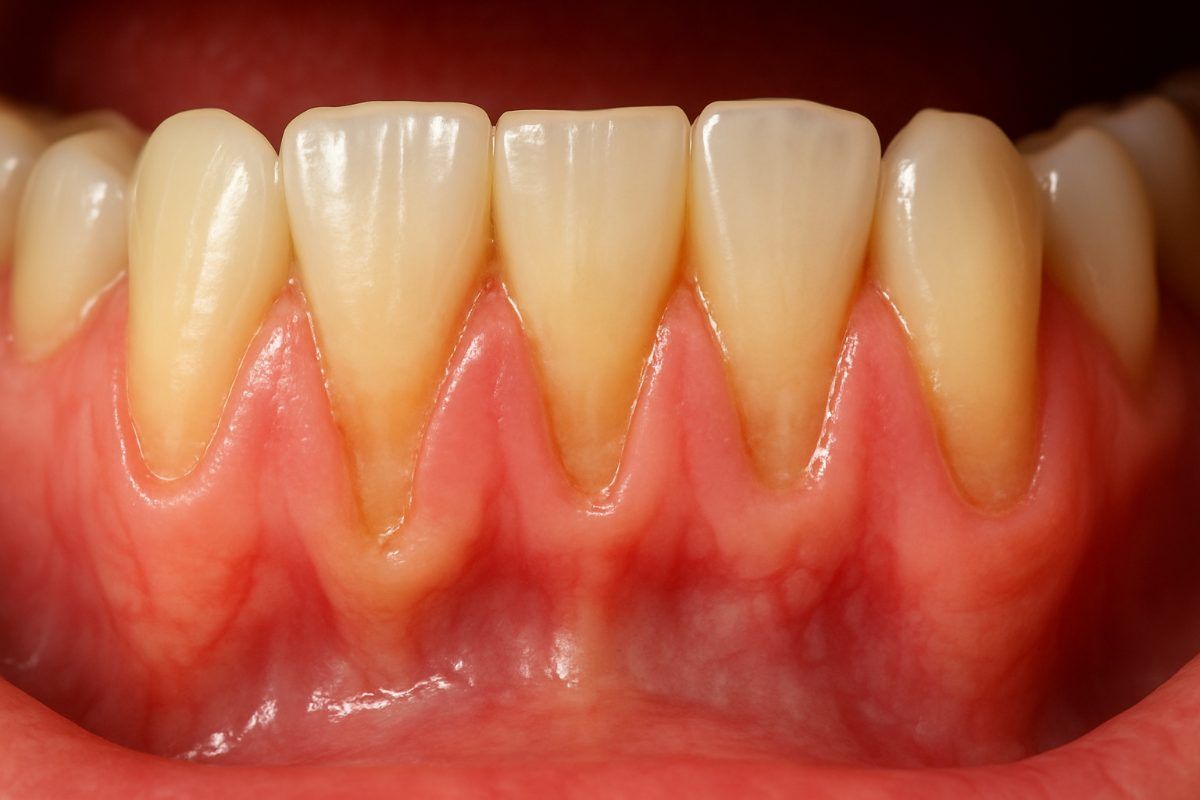
Gum recession means the gum margin has pulled away from the tooth. Fewer gum folds and thinner tissue can make bleeding stop even when disease continues underneath. In other words, no visible bleeding doesn’t always mean the underlying problem is gone.
Smoking, Medications, Or Poor Immune Response
Nicotine from smoking and certain medications (like corticosteroids or some immune-suppressing drugs) can reduce blood flow or change the body’s inflammatory response. Blood thinners change clotting patterns but can also mask signs. These factors can make bleeding gums in Greenwich, CT less obvious while disease progresses silently.
Advanced Periodontal Disease That Reduces Bleeding
Chronic periodontal disease can lead to fibrotic, scarred gum tissue that doesn’t bleed easily. Unfortunately, that tissue can hide ongoing infection and bone loss. Patients may think they’re fine because they no longer see blood when they floss, but deeper pockets and bone damage can be present.
Why No Bleeding Doesn’t Always Mean Healthy — Warning Signs To Watch For With Bleeding Gums In Greenwich, CT
If bleeding disappears but you notice other changes, get evaluated. Red flags include:
- Persistent bad breath or a bad taste
- Loose or shifting teeth
- Gums pulling back from teeth or visible roots
- Pus or recurrent gum soreness
- Tooth sensitivity or pain
- Changes in your bite or how teeth fit together
How Dentists Diagnose The Real Cause Of Reduced Bleeding
Accurate diagnosis combines a hands-on exam, imaging, and a medical review to determine why bleeding gums in Greenwich, CT have changed.
Clinical Exam And Periodontal Charting
During an exam, dentists probe pocket depths, measure gum recession, and check tooth mobility. Periodontal charting maps pockets and attachment loss to show disease patterns even when bleeding is not present.
Imaging And Advanced Tests
Digital x-rays and CBCT scans reveal bone loss and hidden infections. OralDNA® salivary testing can identify pathogens and inflammation markers that point to active periodontal disease despite a lack of visible bleeding.
Medical History And Medication Review
Doctors will review tobacco use, prescription drugs, supplements, and systemic health conditions. These factors affect bleeding and immune response and help guide safe, effective care for bleeding gums in Greenwich, CT.
Treatment Options For Gum Recession And Bleeding Gums In Greenwich, CT
Non-Surgical Care
First-line steps often include deep cleaning (scaling and root planing), improved daily care, quitting tobacco, and coordinating with your physician about medications that affect gums. These measures can stop progression and reduce infection.
Minimally Invasive & Biologic Therapies
Laser-assisted therapies like LANAP can reduce bacteria and promote reattachment with less trauma. PRF (platelet-rich fibrin) uses your own blood to speed soft-tissue healing. Ozone therapy helps control infection without heavy antibiotics.
Surgical Options
For significant recession, soft-tissue grafts restore gum coverage and protect roots. Regenerative surgeries can rebuild bone in some cases. When teeth can’t be preserved, implants — including metal-free zirconia implants — may be considered to restore function and health.
When To See A Specialist
Consult a periodontist or biologic dental team if pockets deepen, bone loss appears on imaging, or symptoms persist after initial care. Specialist care is important for complex or recurring cases.
Daily Care And Prevention To Stop Bleeding Gums From Returning
Simple daily habits go a long way toward preventing recurrent problems.
- Floss gently once a day using a slide-and-wrap motion
- Use an electric toothbrush with a soft head
- Rinse with an antimicrobial mouthwash as recommended
- Eat a balanced diet rich in vitamins C and D
- Keep regular dental cleanings and periodontal checkups
Home Checklist:
- Floss daily
- Brush twice daily for two minutes
- Schedule dental cleanings every 3–6 months as advised
- Avoid tobacco and limit alcohol
About Tetrahealth And Our Approach To Bleeding Gums
Tetrahealth takes a biologic, minimally invasive approach to gum health. Dr. Alex and Dr. Michele Volchonok focus on treating root causes rather than masking symptoms. They use advanced diagnostics and biologic therapies to find hidden infection and support true healing.
At our Greenwich, CT location we offer ROSA™ screening, CBCT scans, digital x‑rays, OralDNA® testing, LANAP laser therapy, PRF healing protocols, ozone therapy, and options like zirconia implants. These tools help us diagnose why bleeding gums in Greenwich, CT have changed and create a personalized plan to restore health.
If you have ongoing or confusing bleeding-gums symptoms, schedule a consultation to get a thorough exam, testing, and a clear treatment path tailored to your needs.