Airway Focused Dentistry: A Guide to Breathing, Sleep, and Oral Health
Airway Focused Dentistry: A Guide to Breathing, Sleep, and Oral Health
For many patients, dentistry is focused on teeth and gums. Cavities are treated, bites are adjusted, and smiles are straightened. Yet a growing number of patients and clinicians now recognize that this view is incomplete. The mouth does not function in isolation. It exists within a larger system that includes the jaws, tongue, nasal passages, facial development, sleep quality, and airway.
That is why airway-focused dentistry has become such an important area of modern care.
An airway-focused dentist looks beyond the visible surfaces of the teeth to evaluate how oral structures may be influencing breathing, sleep, jaw function, and long-term health. For many people, chronic mouth breathing, poor sleep, clenching, narrow arches, crowded teeth, TMJ symptoms, or orthodontic relapse are not random issues. They may be signs of a compromised airway or structural imbalance that deserves deeper evaluation.
For the right patient,
airway dentistry is not a niche concept. It is a more complete standard of care.
What Is Airway Focused Dentistry?
Airway-focused dentistry is an approach to diagnosis and treatment that examines whether the anatomy and function of the mouth are supporting healthy breathing. It considers how the upper and lower jaws, palate, tongue, bite, and soft tissues affect the airway during both waking and sleep.
A healthy airway supports nasal breathing, a stable tongue posture, restful sleep, balanced facial development, and efficient oral function. When that airway is restricted, the body often compensates. Those compensations may appear as mouth breathing, snoring, teeth grinding, restless sleep, jaw tension, narrow dental arches, or bite instability.
This is why an airway dentist does not look only at straightness or cosmetic appearance. They ask a deeper question: Is this mouth structured for healthy breathing?
Why Airway Health Matters in Dentistry
The relationship between the airway and oral health is more significant than many patients realize.
The upper jaw helps form the floor of the nose. The width of the palate influences tongue space. The tongue's position affects oral posture and airway stability. The development of the jaws can influence whether someone breathes comfortably through the nose or mouth-breathes, particularly during sleep.
When breathing is compromised, the body often adapts in ways that affect the teeth and jaws. A patient may clench at night, posture the jaw forward, develop muscular tension, or show dental crowding because the arches have never fully developed. In some cases, orthodontic issues are not just orthodontic issues. They are structural and functional issues.
This is why airway-focused dentistry matters. It helps identify whether oral symptoms are part of a broader breathing problem rather than treating them as disconnected findings.
Signs You May Need an Airway Focused Dentist
Not everyone who snores or grinds their teeth needs airway treatment. But certain patterns suggest a more comprehensive evaluation may be worthwhile.
Chronic Mouth Breathing
If you habitually breathe through your mouth during the day or while sleeping, this may indicate nasal restriction, poor tongue posture, or structural limitations in the jaws. Mouth breathing is not a trivial habit. Over time, it can affect oral health, sleep quality, tissue hydration, and facial balance.
Snoring or Restless Sleep
Snoring may be a sign of airway resistance. Patients who wake tired, sleep lightly, toss and turn, or never feel fully restored may benefit from an airway-centered evaluation.
Teeth Grinding or Clenching
Bruxism is often attributed solely to stress, but in some cases the body clenches to stabilize the airway during sleep. Chronic grinding, fractured teeth, or tension headaches may warrant a closer look.
Crowded Teeth or Narrow Arches
Crowding is sometimes a symptom of underdeveloped arches rather than simply a mismatch between tooth size and available space. A narrow upper jaw can also reduce tongue space and influence breathing mechanics.
TMJ Pain or Jaw Tension
Jaw discomfort, clicking, muscle fatigue, facial soreness, or a chronically tense bite may reflect compensatory patterns related to poor airway function.
Orthodontic Relapse
If you had braces but your crowding returned or your bite never felt stable, the underlying issue may not have been fully addressed. Teeth often drift back when tongue posture, arch width, and airway-related function remain unresolved.
Daytime Fatigue or Brain Fog
While fatigue can have many causes, chronic poor-quality sleep related to airway resistance is often overlooked. Patients sometimes pursue airway dentistry because they sense their sleep is affecting their quality of life.
What an Airway Focused Dentist Evaluates
An airway-focused dental evaluation is more comprehensive than a standard exam. Depending on the patient, it may include assessment of:
jaw development and arch width- palate shape
- tongue posture and tongue space
- nasal breathing patterns
- mouth breathing habits
- bite relationships
- tooth wear and clenching patterns
- soft tissue anatomy
- sleep-related symptoms
This type of evaluation is not about making assumptions. It is about understanding whether the patient’s oral anatomy supports efficient breathing or contributes to functional strain.
What Conditions Can Airway Focused Dentistry Help Identify?
Airway dentistry does not “treat everything,” but it can help uncover patterns that may otherwise be missed. These may include:
mouth breathing- narrow palate or maxillary constriction
- tongue space limitation
- sleep-disordered breathing
- clenching and bruxism
- TMJ dysfunction
- orthodontic instability
- facial growth and development concerns
- oral habits that impair function
For many patients, the value of airway dentistry lies in better diagnosis. It explains why certain problems keep recurring and why traditional treatment may have felt incomplete.
What Treatments May Be Part of Airway Focused Dentistry?
Treatment depends on the patient’s anatomy, age, goals, and diagnosis. Airway-focused dentistry is not one single procedure. It is a framework for planning. Depending on the case, recommendations may include:
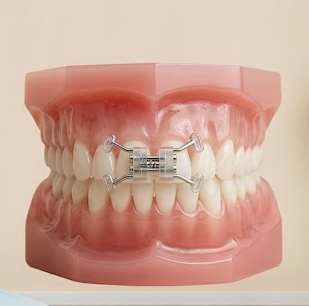
functional orthodontics- MARPE or adult jaw expansion in appropriate cases
- myofunctional therapy
- bite optimization
- oral appliance therapy
- collaboration with sleep physicians or ENTs
- pediatric growth guidance
- restorative planning that respects the airway and function
The right treatment is individualized. A thoughtful airway dentist should not rush to one solution. The goal is to understand the mechanism behind the symptoms and create a plan that improves both health and function.
Why More Adults Are Seeking Airway Dentistry
Today’s patients are more discerning than ever. They understand that straight teeth do not necessarily mean healthy function, and that a beautiful smile can still sit within a strained oral system.
Many adults seek an airway dentist because they have spent years treating the consequences of a problem rather than the cause. They may have worn night guards, had braces, lived with chronic fatigue, or accepted mouth breathing as normal. Airway-focused dentistry often resonates because it offers a more intelligent explanation for patterns that previously seemed unrelated.
This is particularly appealing to patients who want deeper answers, more sophisticated diagnostics, and a care philosophy that respects the connection between the mouth and the rest of the body.
Is Airway Focused Dentistry Only for Children?
No. Children may benefit greatly from early evaluation because growth and development can often be influenced more easily, but adults can absolutely benefit from airway-focused care as well.
Adult patients commonly seek airway dentistry for mouth breathing, sleep concerns, clenching, narrow arches, bite instability, or persistent jaw tension. In adults, treatment is often more nuanced and may involve interdisciplinary care, but the diagnostic value remains extremely important.
How to Know If an Airway Dentist Is Right for You
You may want to seek out an airway-focused dentist if you have been told your teeth are the problem, but suspect the issue may be larger than that. If you breathe through your mouth, snore, grind your teeth, wake up tired, have a narrow palate, experience recurring orthodontic relapse, or feel that your bite and jaw have never functioned quite comfortably, an airway-focused evaluation may offer clarity.
The question is not simply whether your teeth are straight.
It is whether your mouth is supporting the way you breathe, sleep, and function.
A More Complete Approach to Dental Health
Airway-focused dentistry does not replace traditional dentistry. It expands it.
It recognizes that oral health is about more than repairing damage. It is also about understanding development, breathing, function, and the deeper reasons certain problems persist. For the right patient, that shift in perspective can be transformative.
Because when breathing is compromised, the effects rarely stay confined to the airway alone.
They often appear in the teeth, the bite, the muscles, the sleep cycle, and the overall quality of life.
That is why airway-focused dentistry matters.
Not because it is trendy, but because it is often the missing piece.