Gum Surgery, Laser Gum Surgery, and Your Alternatives: Understanding Your Options
Understanding Your Options For Gum Issues
Hearing the word "gum surgery" can make many patients uneasy. That reaction is understandable. For most people, it sounds invasive, uncomfortable, and final. But the reality is often much more nuanced.
The goal is not to rush into treatment. The goal is to understand the source of the problem and choose the most appropriate solution for your health, comfort, and long-term stability.
What Is Gum Surgery?
Gum surgery is a broad term that can refer to several different procedures used to treat the gums and the structures that support the teeth. In most cases, it is recommended when gum disease, recession, infection, excess tissue, or structural damage cannot be predictably managed with routine cleanings or non-surgical care alone.
Depending on the situation, gum surgery may be used to:
- reduce deep periodontal pockets
- remove infected tissue
- help preserve a compromised tooth
- reshape excess gum tissue
- treat gum recession
- support bone or tissue regeneration
- improve both health and appearance
Not all gum surgery is the same. Some procedures are more traditional and involve lifting the gum tissue to access the roots and bone. Others are more refined and minimally invasive, especially when laser technology is appropriate.
When Is Gum Surgery Needed?
Gum surgery is usually considered when the gum tissue has become chronically inflamed or infected, and the disease has progressed beyond what can be treated with hygiene changes and deep cleaning alone.
Some common reasons a patient may need gum surgery include:
- advanced periodontal disease
- persistent bleeding gums
- deep pockets around the teeth
- gum recession
- loose teeth due to bone loss
- infected tissue around a tooth or implant
- excess gum tissue affecting smile aesthetics
- areas where bacteria continue to thrive below the gumline
In many cases, the issue is not simply cosmetic. It is about stopping a chronic inflammatory process that can continue to damage the supporting structures of the teeth.
What Is Laser Gum Surgery?
Laser gum surgery uses a dental laser to treat diseased gum tissue more selectively than traditional methods in appropriate cases. Patients often search for this under terms like laser gum treatment, laser gum therapy, or laser periodontal therapy.
One of the best-known forms of laser periodontal treatment is LANAP, which targets diseased tissue while preserving more healthy tissue. For the right candidate, laser gum surgery can be an elegant option because it may reduce bleeding, minimize discomfort, and support healing with less surgical trauma than conventional gum surgery.
Laser treatment may be used to:
- treat periodontal disease
- Disinfect infected pockets
- reduce inflammation
- reshape gum tissue
- encourage tissue reattachment
- improve comfort during recovery
That said, laser treatment is not automatically the best treatment for every patient or every condition. It is one option within a larger clinical decision.
Benefits of Laser Gum Surgery
When it is properly indicated, laser gum surgery can offer several advantages:
- a more minimally invasive experience
- less bleeding during treatment
- reduced swelling afterward
- a gentler recovery for many patients
- selective removal of diseased tissue
- support for healing and bacterial reduction
Patients who are anxious about surgery are often relieved to learn that gum treatment does not always require a traditional scalpel-based approach. In the right hands, laser therapy can be a very effective part of periodontal care.
Are There Alternatives to Gum Surgery?
Yes — and this is an important part of the conversation.
Not every gum problem requires surgery. In some cases, there are effective non-surgical or less invasive alternatives, especially when the disease is caught early or when the problem is inflammatory rather than deeply structural.
Alternatives may include:
Laser Bacterial Reduction
In some cases, laser therapy may be used less invasively to disinfect and reduce inflammation before considering more extensive intervention.
Ozone Therapy and Supportive Healing Protocols
In biologic dentistry, supportive therapies such as ozone may be used to help reduce microbial burden and encourage tissue healing as part of a broader periodontal strategy.
Improved Home Care and Periodontal Maintenance
Sometimes the right maintenance schedule, along with improved oral hygiene and professional guidance, can help prevent progression and reduce the need for surgery.
Bite Adjustment or Functional Evaluation
In certain cases, gum problems are aggravated by bite trauma, clenching, or chronic mechanical stress. If that stress is not addressed, the tissue may struggle to heal.
The key is understanding that “gum surgery” is not one single answer. It is one category of treatment within a larger plan.
How Do You Know Which Option Is Right?
The right treatment depends on the cause, severity, and location of the problem. It also depends on your anatomy, medical history, comfort level, and long-term goals.
At Tetrahealth, we believe the best periodontal treatment begins with careful diagnosis. That means looking at:
- the depth of the periodontal pockets
- the degree of inflammation
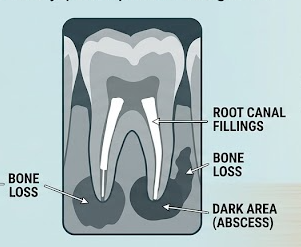
- whether bone loss is present
- whether there is active infection
- how stable the teeth are
- whether the issue is localized or generalized
- whether laser treatment is a good fit
- whether non-surgical options still have a reasonable chance of success
Some patients truly do need gum surgery in order to save teeth and stop ongoing destruction. Others may be excellent candidates for laser therapy. And some may benefit from more conservative options before surgery is ever considered.
A More Thoughtful Approach to Gum Treatment
Patients should never feel pressured into periodontal treatment without understanding why it is being recommended. Calm, informed decision-making matters.
If you have been told you need gum surgery, it is reasonable to ask:
- What exactly is the problem being treated?
- Is this due to infection, recession, bone loss, or excess tissue?
- Is laser gum surgery an option for me?
- Are there non-surgical alternatives worth trying first?
- What happens if I delay treatment?
- What is the long-term goal: infection control, tissue preservation, aesthetics, or tooth stability?
These questions often bring much-needed clarity.
At Tetrahealth, our philosophy is simple: treat the cause, preserve healthy tissue whenever possible, and choose the least invasive option that can still predictably protect long-term health.
Because for most patients, the best treatment is not the most aggressive one.
It is the most appropriate one.